
by ejceasar

Myth and Mythologies. Myths can be classified as origin myths, cultural myths and political myths and mythology is a collection of myths belong to a time period, region or religion
A flood myth also known as deluge myth is a narrative in which great flood, usually sent by a deity or deities to destroy civilizations as an act of divine retribution. Flood myths are common across a wide range of cultures, extending back to Bronze Age and Neolithic prehistory.
Every mythology has its own version of creation myths, or other wise commonly known as how the world came in to existence. In Egyptian Mythology, the creation myth starts with an egg in the ocean. There was a single egg floating in the ocean and the egg hatched and the son of Ra was born. According to the Indian Mythology, the universe was created by Lord Brahma out of himself.
The idea of an unimaginable war that threatens to tear apart the cosmos connects with us so deeply that it still powers our epic stories. The Lord of the Rings, Avengers, Hobbits, and countless others all feature this age-old trope. It can be found in the legends of almost every ancient culture.
We all know the myth of Atlantis: a utopian city wiped out in a single night thanks to an unearthly cataclysm. But Atlantis is only the most famous of mythical lost cities. Near-identical stories crop up with such regularity that it’s tempting to think they must be somehow related.Take Iram (also known as Ubar). A fabled city in the deserts of modern Saudi Arabia, Iram is said to have been wiped out in a single night when Allah buried it under a flood of sand. In other words, it’s the Atlantis myth translated to a world without water. Then you have Ys off the coast of France, which was supposedly flooded around the 5th century by a mythical warrior king. And that’s before we get onto the story of Sodom and Gomorrah and the Hindu myth of Tripura, which both involve gods wiping out immoral cities in a rain of fire.In short, the idea of a city obliterated overnight is so powerful it seems to show up everywhere. Are these half-remembered tragedies with some basis in fact (like Pompeii) or just stories that play to the apocalyptic fantasist in all of us? We’ll leave it to you to decide.
Jesus’s resurrection is the big selling point of Christianity, a unique moment that established Christ as the one true savior. At least that’s the idea. In reality, the idea of a dying deity or important human who is later resurrected has been around for millennia.Most famously, this includes the story of Osiris, the ancient Egyptian god whose birth was heralded by a star, who was betrayed by a friend, was murdered, and was later resurrected. But there are less explicit versions too. The Greek cult of Dionysus had their figurehead killed off every two years, only to rise again at a later date. Persephone also died regularly, and many pagan traditions from Scandinavia to Central America involved gods dying and returning to life or men dying and coming back as deities.Perhaps most interestingly of all, a historical tablet known as “Gabriel’s Revelation” allegedly tells the story of a Jewish rebel known as Simon who was killed by the Romans, only to be resurrected three days later. The catch? It was written in 4 BC, over 30 years before Jesus allegedly pulled off the same trick. Either it’s a mistranslation, or the Son of God was building on centuries of groundwork by other deities.
Dragons are likely the most traveled creature in all of mythology. Even more than vampires, they have a habit of turning up in societies and cultures so far apart in time and space you’d think it was impossible. There are ancient Sumerian tablets that record the act of dragon-slaying, Greek tales of dragons cavorting with other monsters, and an entire science built around the uses of their bones in China. In Central America, the Mayans worshipped the feathered snake Quetzalcóatl, while both Norse and Christian mythologies specifically mention dragons.As late as 1886, Victorian scientists still held that dragons had once existed but had gone extinct. Not until dinosaurs became firmly established in the public mind did people see the probable link between ancient fossils and dragon myths. Currently, our best guess is that various cultures all stumbled over dino bones at some point and translated them into gigantic mythological beasts.
Thanks to the occasional self-indulgent movie adaptation, most of us probably have a vague knowledge of the poems of Homer. Considered the earliest examples of Western literature, his Iliad and Odyssey are epic myths of tortured heroes fighting their way across oceans and continents in search of metaphorical salvation—and they appear in near-identical form in almost every culture.It’s called the “hero’s journey,” and just about all epic stories throughout history have followed the specific model. Famously, George Lucas deliberately based the first Star Wars on it, and you can find its influence in The Lord of the Rings, the Oz books, and even Harry Potter. But this archetypal myth was around even before fancy-pants anthropologists handed it over to lazy scriptwriters.The Sumerian Epic of Gilgamesh, the story of Sinbad the Sailor in the 1,001 Nights, the legend of King Arthur, the tale of the Argonauts . . . all of these and plenty more fit the structure of the hero’s journey just like Homer’s awesome poems above. In fact, nearly every single culture in recorded history has myths that fall into this category. Even Moses’s epic wanderings in the Bible fit this model. We as a species truly are lazy storytellers.
Cultural myths don’t just entertain us and record historical events. They also serve to explain why the world is the way it is. Hence the prevalence of stories designed to give a reason for some mystery of existence.In the Bible, we have the Tower of Babel, which explains why we have different languages. God’s speech prior to expelling Adam and Eve from Eden is another example, giving a reason for both the agony of childbirth and why ancient man had to toil all day in the fields. Wander across traditions into the stories of the Ancient Greeks and the legend of Prometheus demonstrates why fire is so valuable, while the story of Pandora gives a reason for the existence of disease and suffering.Start looking for them and you’ll find these explanatory myths scattered across every culture in history. There are myths that explain why rhinoceroses have no hairs, why incest is forbidden, and how medicine came into existence. Anything you can think of has some poetic explanation somewhere. In an unscientific age, poetry was often all we had.
Everything that begins has an end, and our ancient ancestors knew that as simply as we do. No surprise then that most cultures carry an End of Times myth to counter their creation story—a sort of consolation prize for those who won’t live to see the actual end (i.e. everyone).For Christians, this apocalypse is a gigantic epic that plays out over many, many years and involves so many disasters, wars, and calamities that it’s hard to keep track. Same with the Norse Ragnarok, which is a collection of disasters and battles that results in the Earth being drowned and recreated afresh. In Hinduism, it’s another epic battle followed by a rebooted universe, while Buddhism annihilates the world in a pyrotechnic fireworks display so amazing it deserves its own Michael Bay film.In other words, most humans throughout history have lived with their own personal vision of the end of everything, one that makes sense in the context of their lives and cultures. And that’s all these myths really are: ways for us humans to make sense of the world we live in, no matter when or where we are. It’s just an added bonus that some of them make absolutely awesome stories, too.
Learn a few fun facts

The red clothes worn by Hindu brides are associated with "scarlet women" in Christianity
The white clothes that represent virginity and purity in the Christian mythosphere are associated with spirituality and otherworldliness in the Hindu mythosphere; are restricted to monks, priests, and widows; and do not form part of household rituals.
The goat, the symbol of virility that is sacrificed to the Hindu Goddess, is the symbol of the devil in the biblical worldview.
The yoginis of Hinduism, who are handmaidens of the Goddess and are wild erotic creatures, recall the witches coven of the Christian mythosphere.
The pentagram is the symbol of Lakshmi, Hindu goddess of wealth, and Shukra, guru of demons, and is associated with Venus, wealth, fertility, creativity, and erotic power in Hindu astrology, but is considered the mark of the devil in Christianity.
'described in Western literature as the "dark drinker of blood" and is associated with witchcraft.
The serpent, which is associated with earth's fertility and occult wisdom in Hinduism, is considered a manifestation of the devil in biblical traditions.
To the Western eye the swastika is the symbol of Hitler and the Holocaust. To Hindus it is associated with auspiciousness and fertility.
Demon in Judeo-Christian-Islamic Paradigm is Evil being who opposes God but in Hindu Paradigm Demon is a Being who lives under-ground in bejeweled cities, fights gods, and possess the secret of rejuvenation
Gods in Judeo-Christian-Islamic Paradigm False deities worshipped by nonbelievers and pagans whereas in Hindu Paradigm Celestial beings who live above ground or in the skies, fight demons, and have consumed the elixir of immortality
The people of the lightning / Sons of Bushongo
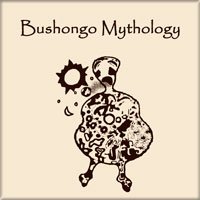
The Bushongo or Songora are an ethnic group from the Congo River and surrounding areas. The creation god(or chembe) in Bushongo mythology is called Bumba.
The Bushongo people, who live in what is now the Democratic Republic of Congo, have a rich and diverse mythology that includes many different stories and legends. Here are a few examples of famous myths from Bushongo mythology:
The creation myth:
The Bushongo believe that the world was created by a god named Mbidi Kiluwe, who formed the earth, sky, and all living things.
The myth of the first man:
According to Bushongo legend, the first man, named Kondi, was created by Mbidi Kiluwe and was given the task of populating the world.
The myth of the first woman:
The Bushongo believe that the first woman, named Luba, was created by Mbidi Kiluwe and was given the task of helping Kondi to populate the world.
The myth of the first fire:
The Bushongo believe that fire was brought to earth by a god named Lumona, who gave it to humans as a gift.
The myth of the first death:
The Bushongo believe that death was brought to the world by a god named Cagn, who punished humans for their disobedience.
The myth of the first rain:
The Bushongo believe that the first rain was brought to the world by a god named Cagn, who punished humans for their disobedience.
Please note that this is just a small sample of the Bushongo mythology stories, and there are many more myths and legends that are important to the Bushongo people.
Sun Wukong - the monkey king. The most famous chinese myth
Chinese mythology refers to those myths found in the historical geographic area of China: these include myths in Chinese and other languages, as transmitted by Han Chinese and other ethnic groups, which have their own languages and myths.
Chinese mythology is a collection of myths, legends, and traditional stories that have been passed down over the centuries in China. Here are a few examples of famous myths from Chinese mythology:
- The story of the Jade Emperor: The Jade Emperor is the highest god in Chinese mythology and is known as the ruler of all gods and spirits. He is often depicted as a wise and benevolent ruler who governs the universe with fairness and justice.
- The story of the Four Symbols: The Four Symbols are four powerful creatures in Chinese mythology, each representing a different season and cardinal direction. They are the Black Tortoise, the White Tiger, the Blue Dragon, and the Red Phoenix.
- The story of Nüwa: Nüwa is a goddess in Chinese mythology and is known as the mother of mankind. She is often depicted as the creator of the world and the one who mends the sky after natural disasters.
- The story of Sun Wukong: Sun Wukong is a monkey king and a powerful figure in Chinese mythology. He is known for his intelligence, strength, and his ability to shape-shift. He is one of the most important characters in the classic novel "Journey to the West"
- The story of the Eight Immortals: The story of the Eight Immortals in Chinese mythology is a popular legend that tells of a group of eight legendary figures who possess supernatural powers and are able to achieve immortality. Each of the eight immortals has their own unique abilities and stories, but they are all united by their quest for enlightenment and their desire to help the people.
Akan mythology is the traditional belief system of the Akan people of Ghana and Cote d'Ivoire.
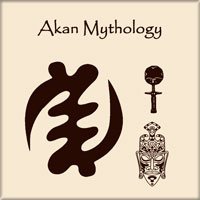
Akan mythology is the traditional belief system of the Akan people of Ghana and Cote d'Ivoire. Here are a few examples of famous myths from Akan mythology:
The story of Nyame
Nyame is the supreme god in Akan mythology and is believed to be the creator of the universe. He is often depicted as an old man with a white beard and is associated with wisdom, justice and the sky.
The story of Onyame and Asase Ya
Onyame is the god of the sky and the father of all gods and Asase Ya is the goddess of the earth and the mother of all living things. Together they are the parents of the other gods and goddesses in the Akan pantheon.
The story of Anansi
Anansi is a trickster figure in Akan mythology and is known for his cunning and wit. He is often depicted as a spider and is considered a bringer of wisdom and culture to the Akan people.
The story of Odomankoma
Odomankoma is the god of fate and destiny, who controls the fate of individuals, and also the god of wisdom, who is responsible for the knowledge and skills of the Akan people.
The story of Osrane
Osrane is the god of death and the afterlife. He is responsible for taking the souls of the dead to the afterlife.
These myths, along with others, are used by the Akan people to explain the origins of the world, the customs and traditions of the Akan people and to reinforce their traditional beliefs and values. The Akan people's traditional religion is based on ancestor worship, and the belief in a supreme being who created the universe.
The main theme of Persian mythology was the battle between good and evil.
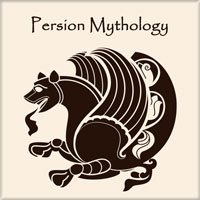
Persian mythology are traditional tales and stories of ancient origin, all involving extraordinary or supernatural beings. Drawn from the legendary past of Iran, they reflect the attitudes of the society to which they first belonged - attitudes towards the confrontation of good and evil, the actions of the gods, yazats (lesser gods), and the exploits of heroes and fabulous creatures. Myths play a crucial part in Iranian culture and our understanding of them is increased when we consider them within the context of Iranian history.
Persian mythology, also known as Zoroastrianism, has a rich collection of myths and legends that have been passed down for thousands of years. Some of the most famous myths of Persian mythology include:
- The story of Zoroaster: This is the story of the prophet Zoroaster, who received a revelation from Ahura Mazda, the god of wisdom and goodness, and who taught the principles of the good religion.
- The Battle of the Gods: The Persian mythology tells of a great battle between the forces of good and evil, led by Ahura Mazda and Angra Mainyu respectively. This battle is said to have been fought to determine the fate of humanity and the world.
- The story of Yima: This is the story of the first man on earth, Yima, who was tasked by Ahura Mazda to create a paradise on earth and protect humanity from the forces of evil.
- The story of Fereydun and the dragon: This is the story of Fereydun, a Persian hero who fought and defeated a dragon to save his people.
- The story of Afrasiyab: Afrasiyab is the king of the demons and the archenemy of the Persian king, Iran. The story of Afrasiyab and Iran's battles is a recurrent theme in Persian mythology and literature.
- The story of Jamshid: Jamshid is a king of Persia who becomes arrogant and loses the favor of the gods and his kingdom.
These myths are part of the Zoroastrian religion, which was the dominant religion in Persia before the arrival of Islam. They were passed down through oral tradition and were later recorded in the sacred texts of the Avesta. They continue to be an important part of Persian culture and are still referenced in modern literature and art.
Finnish mythology is a commonly applied description of the folklore of Finnish paganism

Finnish mythology is a commonly applied description of the folklore of Finnish paganism, of which a modern revival is practiced by a small percentage of the Finnish people. Finnish mythology is the traditional belief system of the Finnish people, and it is closely related to the mythology of other Finno-Ugric peoples such as the Estonians and the Hungarians. Here are a few examples of famous myths from Finnish mythology:
The story of the creation of the world: According to Finnish mythology, the world was created by Ilmatar, a primal goddess of the air and the sky.
The story of Väinämöinen: Väinämöinen is a powerful and wise sorcerer in Finnish mythology, who is considered as one of the main characters of the Kalevala, a traditional epic poem of Finland. He is known for his wisdom and his role as a culture hero.
The story of Kullervo: Kullervo is a tragic hero of the Finnish mythology and is considered as one of the main characters of the Kalevala. He is known for his misfortune, his tragic fate and his power.
The story of Joukahainen: Joukahainen is a rival of Väinämöinen in the Kalevala, who is known for his arrogance and his defeat by Väinämöinen
The story of Lemminkäinen: Lemminkäinen is another character of the Kalevala, known for his romantic adventures and his quest to win the hand of the Maiden of the North.
These myths, along with others, are used by the Finnish people to explain the origins of their people and their customs and to reinforce their traditional beliefs and values. The Finnish traditional religion was a mixture of animism, nature worship, and ancestor worship.
Mythological legends and deities
Norse-mythology
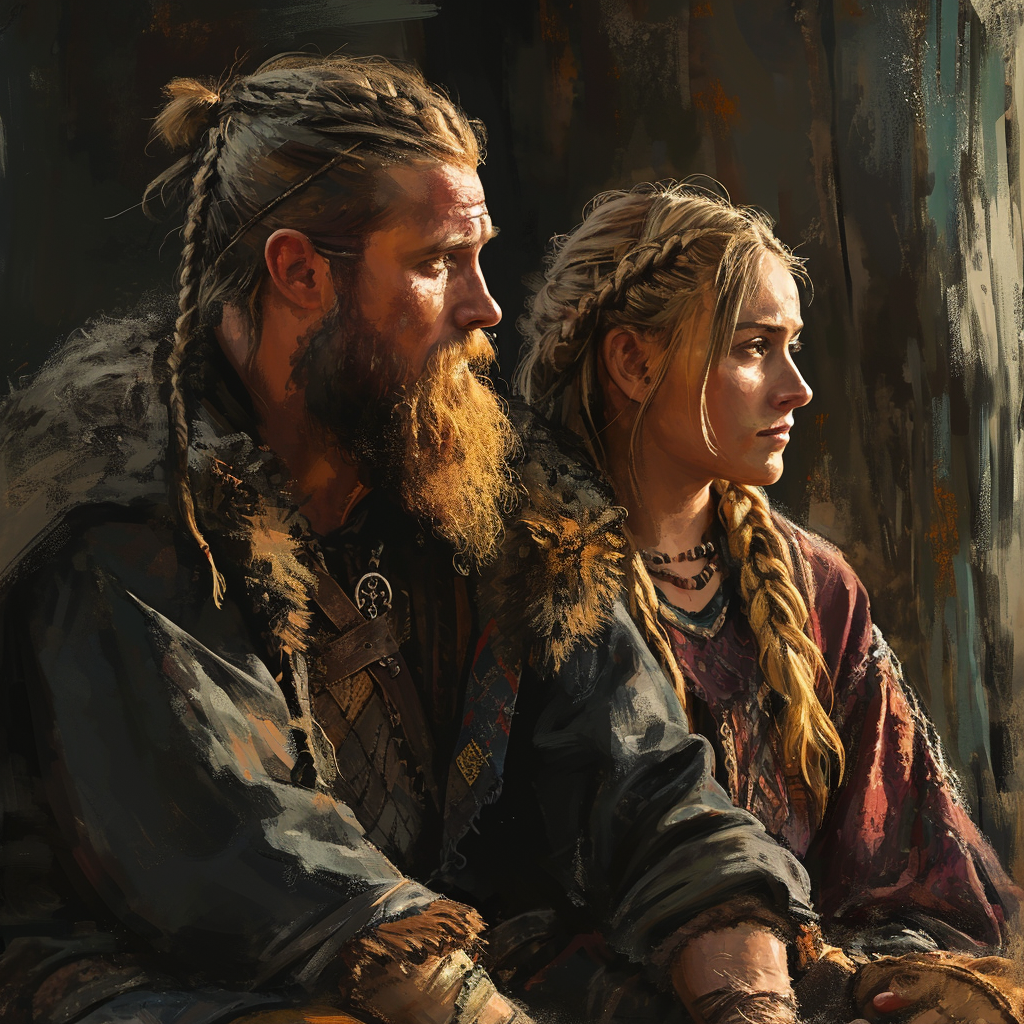
Hagbard and Signe (Signy) (the Viking Age) or Habor and Sign(h)ild (the Middle Ages and later) were a pair of lovers in Scandinavian mythology and folklore whose legend was widely popular. The heroes' connections with other legendary characters place the events in the 5th century AD. Hagbard and his brother Haki were famous sea-kings (see Haki for his battles over the throne of Sweden). Like the name Hagbard (Hagbarðr), the legend is believed to have continental Germanic origins.
hindu-mythology
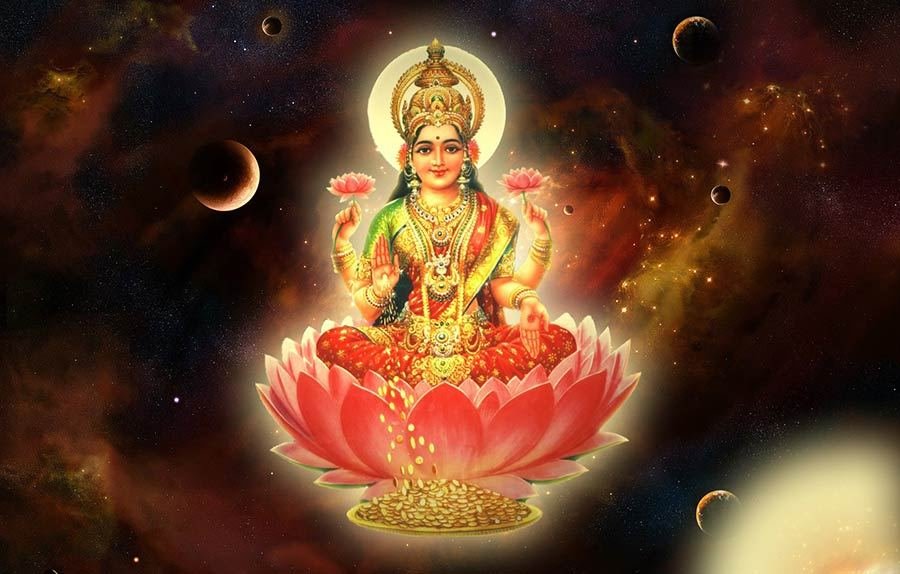
Lakshmi is the Hindu goddess of wealth, fortune and prosperity. She is the wife and shakti (energy) of Vishnu, one of the principal gods in Hinduism. She is also an important deity in Jainism and found in Jain temples.
Lakshmi is called Shri or Thirumagal because she is endowed with six auspicious and divine qualities, or Gunas, and is the divine strength of Vishnu. In Hindu religion, she was born from the churning of the primordial ocean (Samudra manthan) and she chose Vishnu as her eternal consort.
The iconography of Lakshmi is represented with symbolism. Her four hands represent the four goals of human life considered important to the Hindu way of life: dharma, kāma, artha, and moksha. She is typically depicted wearing a red sari, symbolically representing beauty and fertility.
Celtic-mythology

One of the most ancient and most widely worshiped of Celtic gods – who was venerated in Continental Europe, Britain and Ireland, Belenus (also known as Belenos, Bel, and Beli Mawr) was the quintessential sun god in the Celtic mythology. Known by his epithet ‘Fair Shining One’, Belenus was also associated with the horse and the wheel – and their composites tended to portray him as the effulgent Sun God gloriously riding across the sky in his horse-drawn chariot. Other representations depict Belenus as only riding his horse while throwing thunderbolts and using the wheel as his shield.
mesopotamian-mythology
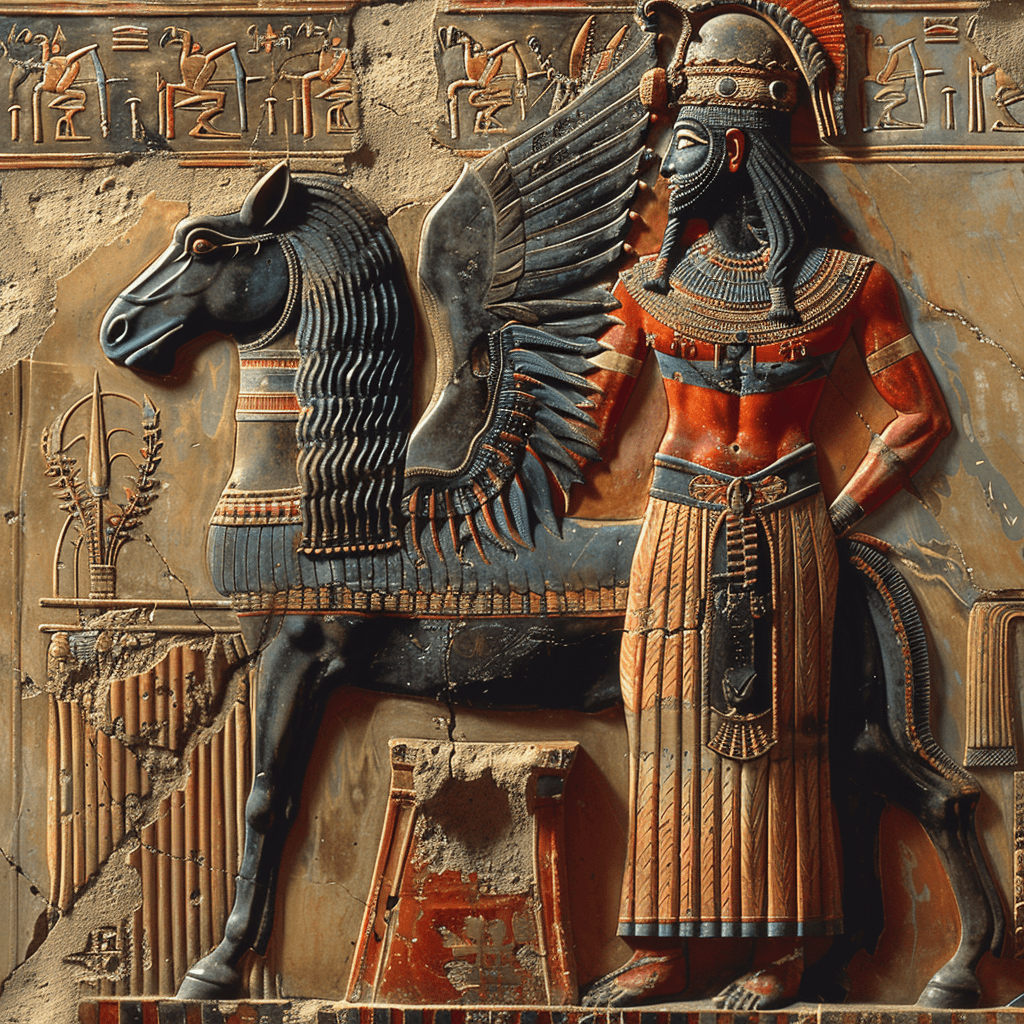
God of wisdom, freshwater, and magic. Patron god of crafts and creation, associated with the Apkallu fish sages.
Arabian-mythology

A legendary queen and storyteller in Arabian Nights, known for her ability to captivate a king with her tales and thereby saving her own life.
Celtic-mythology
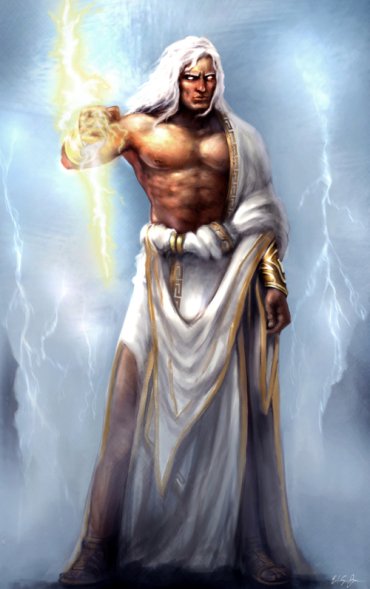
While widely known as one of the major gods of Gaul during Roman times, the origins of Taranis probably harked back to far older (and ancient) Celtic traditions. As we mentioned before, according to Lucan, Taranis formed a triad of Celtic gods (along with Toutatis and Esus), and as such, he was regarded as the god of thunder, thus drawing obvious comparisons to Roman Jupiter (and Greek Zeus). Even in the visual scale, the god was portrayed with a lightning bolt, thus bearing more similarity to Zeus. However, literally, on the other hand, Taranis was also depicted with a solar wheel – one of the most prevalent symbols found on Celtic artifacts, which suggests his eminence in the related pantheon.
persian-mythology
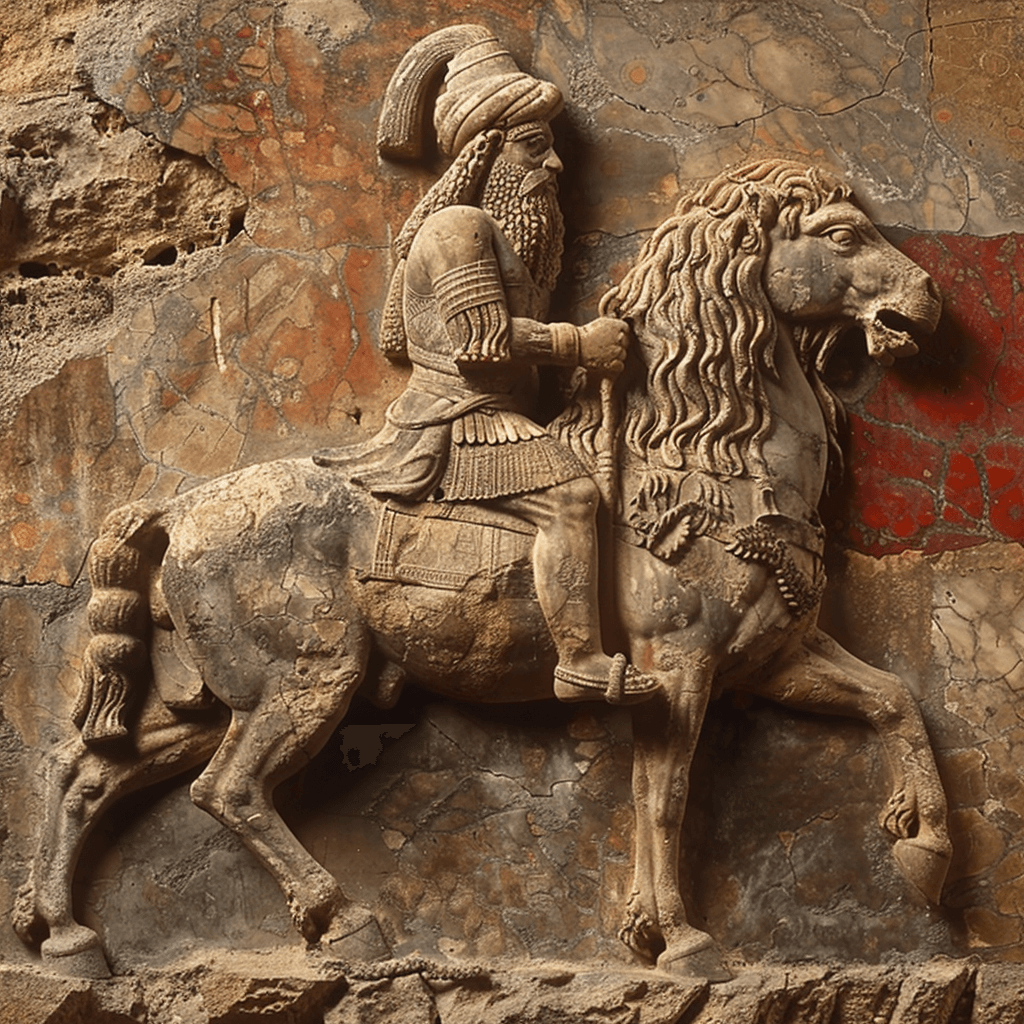
Legendary hero in Persian mythology, known for his strength and bravery. Central figure in the Shahnameh epic.
Greek-mythology
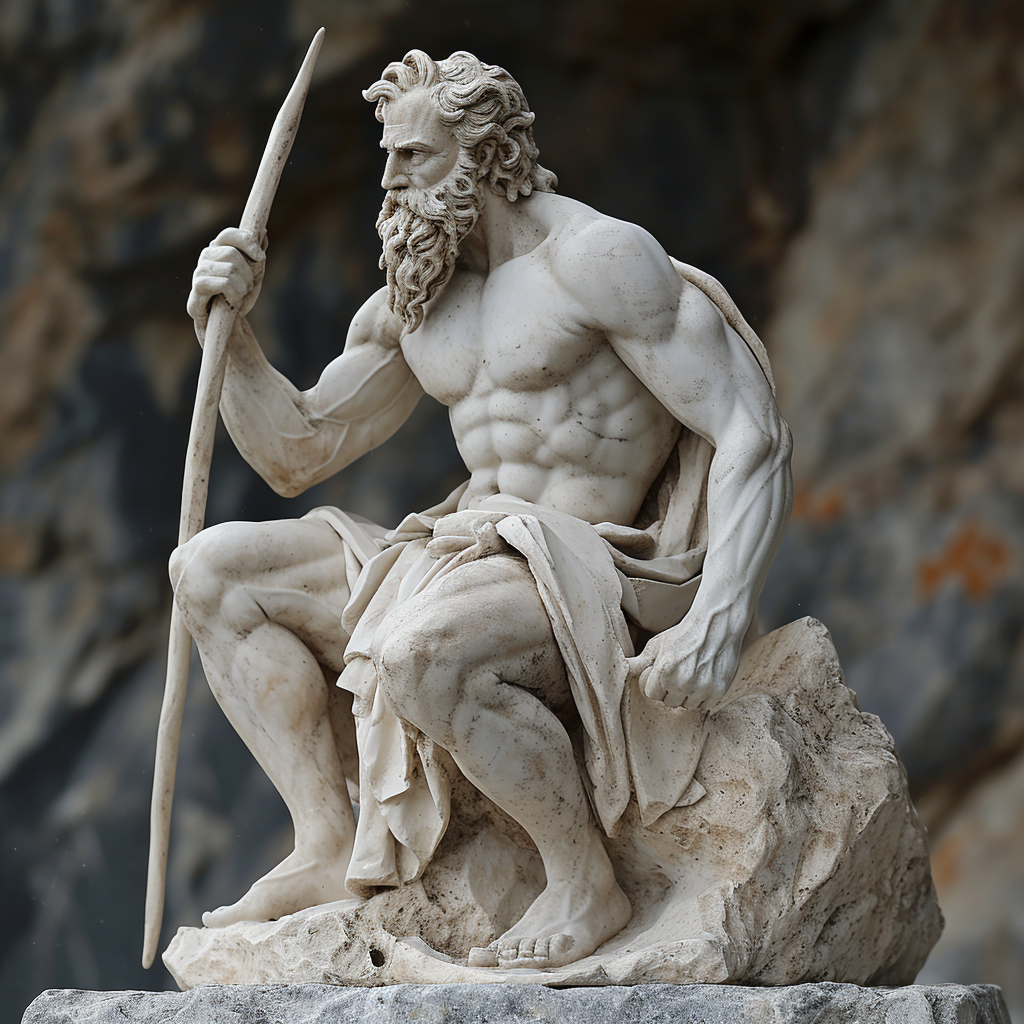
Eurybarus (or Eurybaros) is a figure who appears in Greek mythology, but it's important to note that he is a rather obscure character, and his mention in the mythological accounts is minimal compared to more prominent figures like Hercules or Achilles. Eurybarus is sometimes referenced in relation to the lineage of some notable characters or as a participant in certain mythological events. For example, in some accounts, he is mentioned as one of the suitors of Penelope, the wife of Odysseus. In this context, Eurybarus would have been one of the many men who, believing Odysseus to be dead, sought to marry Penelope and thus claim control over Ithaca. The story of Penelope's suitors is most famously recounted in Homer's "Odyssey," in which Odysseus returns home after a long absence and ultimately deals with these suitors. However, due to the minor and variable nature of his role, the details about Eurybarus might differ slightly depending on the source or might not be deeply elaborated upon. Ancient Greek mythology is vast and often not consistent across different sources, and many characters are only briefly mentioned or exist in the background of the more central narratives. If you are researching a specific aspect of Eurybarus or his role in a particular story or lineage, it might require consulting specific ancient texts or academic resources that focus on the lesser-known characters of Greek mythology.
Norse-mythology

Egil is a legendary hero of the Völundarkviða and the Thidreks saga. The name is from Proto-Germanic *Agilaz[1] and the same legend is reflected in Old English Ægil [æɡiɫ] of the Franks Casket and Alamannic Aigil of the Pforzen buckle. The Proto-Germanic form of the legend may only be guessed at, but it appears likely that Egil was a renowned archer who defended a keep together with his wife Aliruna, against numerous attackers. The testimony of the Pforzen buckle is uncertain beyond naming Aigil and Ailrun, possibly adding that they fought a battle at the Ilz river. Similar to Heracles and Athena fighting off the giants from Olympus in the Gigantomachy the Franks Casket shows the scene of Aegil and his wife enclosed in the keep, with Aegil shooting arrows against attacking troops of giants.
Roman-Mythology
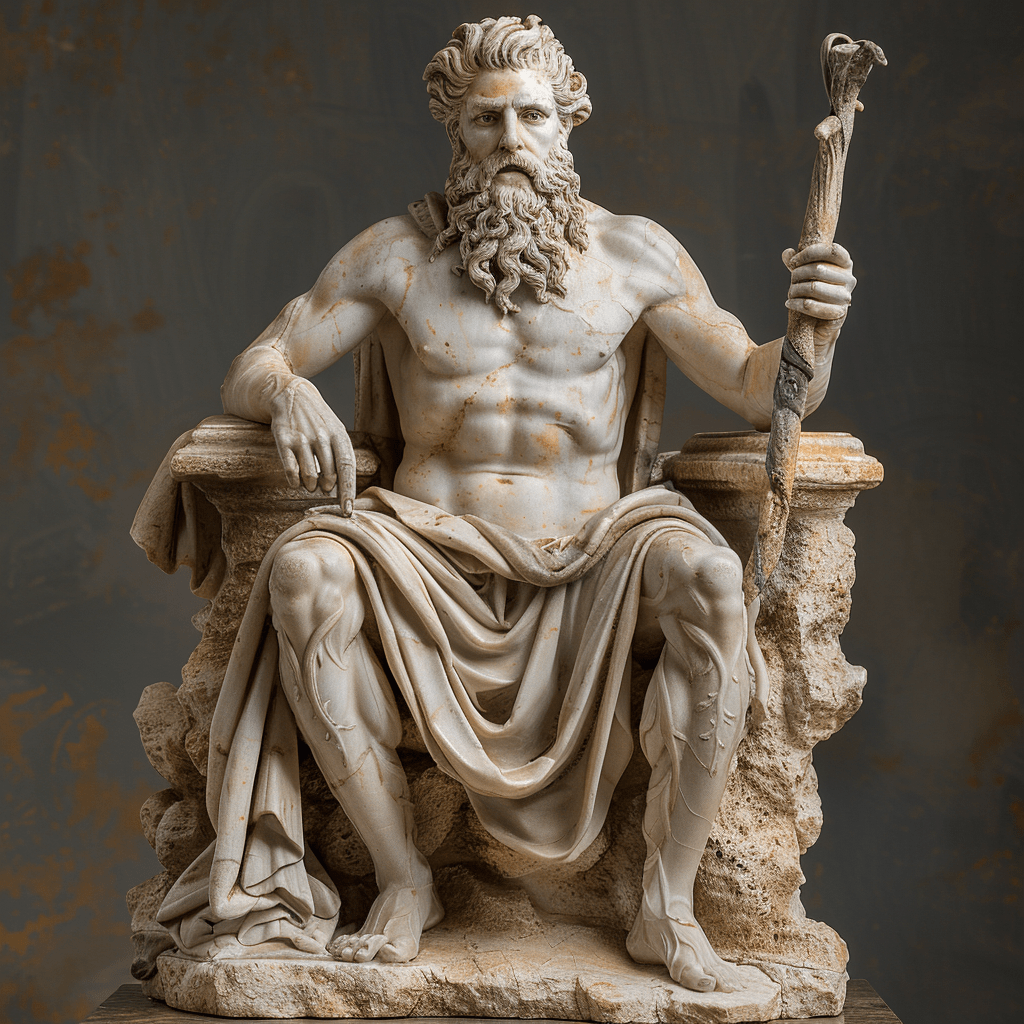
God of the sea, earthquakes, and horses. Brother of Jupiter and Pluto, often depicted with a trident and accompanied by sea creatures.
chinese-mythology
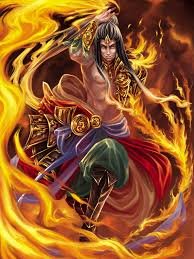
God of fire and volcanoes, often depicted holding a sword and a fire-spitting mace
Greek-mythology
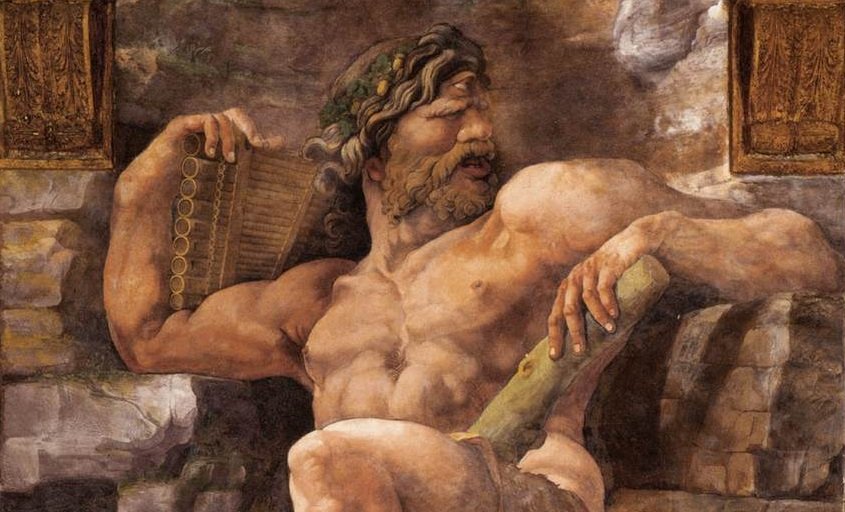
In Greek mythology, Odysseus was the son of Laertes and Antikleia (or Anticlea) and the King of Ithaca, leader of the Kephallenians. Married to Penelope, he also had a son, Telemachos (or Telemachus). The hero was also fortunate enough to regularly receive the special aid and protection of the goddess Athena.
Movies inspired by Mythology
Unraveling the secrets of an Ancient Curse.
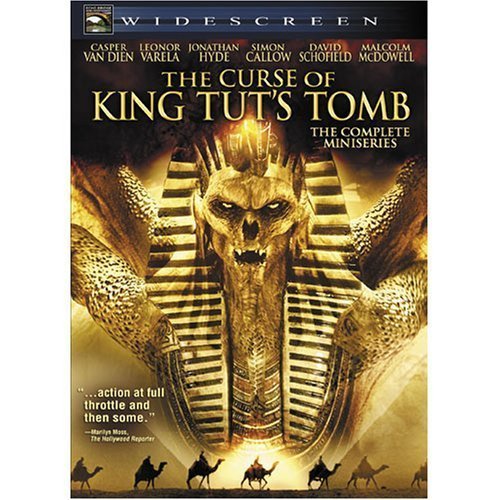
Thousands of years ago, the great Child King Tutankhamen ruled. Few know the details of his life no one knows the secrets of his death. But all is about to change. In 1922 Cairo, free-spirited archaeologist Danny Fremont is certain that if found, King Tut's Emerald Tablet would hold the ultimate power to control the world. But unfortunately, the only person who believes Fremont is his ruthless archaeologist nemesis Morgan Sinclair, a member of a secret society who wants the tablet to harness unspeakable evil on the world and will stop at nothing to get it and then extend their world domination. But with the help of a crackerjack team adventurers that includes the doubting egyptologist Dr. Azelia Barakat, Fremont ventures through the Valley of the Kings, toward Tut's tomb, near the portal to the underworld, and getting closer to the truth behind a mystery that will change the world forever or end it. Written by Anthony Pereyra {hypersonic91@yahoo.com} Thousands of years ago, the great Child King Tutankhamen ruled. Few know the details of his life no one knows the secrets of his death. But all is about to change. In 1922 Cairo,...
A New Evil Awakens.
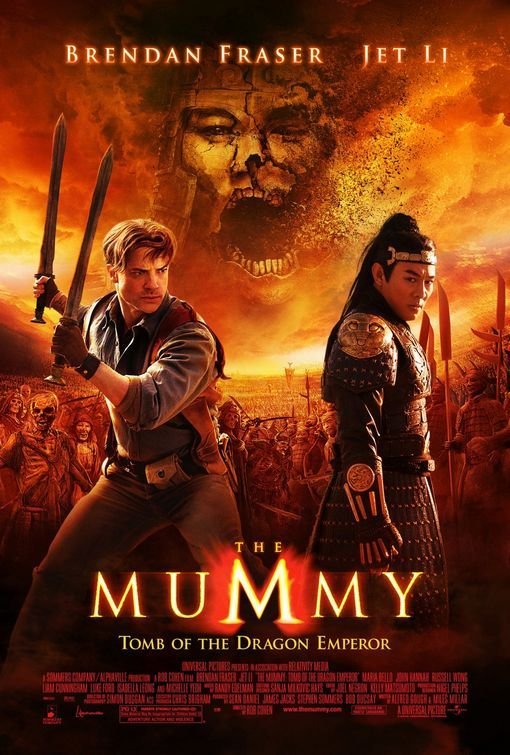
Centuries ago, the evil Emperor Han was cursed by the sorceress Zi Yuan who transformed him and his army into mummies. In 1946, the explorer Rick O'Connell and his wife Evelyn O'Connell are invited by the British government to take a relic, the diamond "The Eye of Shangri-La" to China. The ancient stone is capable of resurrecting the Emperor Han and of pointing the way to Shangri-La and the eternal pool of life. When the couple reaches China, they meet their son Alex O'Connell, who has discovered the tomb of Han, and Evelyn's brother Jonathan Carnahan. The O'Connells are betrayed by their friend Prof. Roger Wilson, who is associated with General Yang. Yang wants to serve Emperor Han, so he resurrects the mummy and they head for Shangri-La. The guardian of Han's tomb (and Zi's daughter) Lin tells them that the only ways to destroy Han are to prevent him from reaching Shangri-La or by stabbing his heart with a cursed dagger. Written by Claudio Carvalho, Rio de Janeiro, Brazil In the Far East, Alex O'Connell, the son of famed mummy fighters Rick and Evy O'Connell, unearths the mummy of the first Emperor of Qin -- a shape-shifting entity cursed by a witch centuries...
He's back in an all new adventure. Memorial Day 1989.

An art collector appeals to Indiana Jones to embark on a search for the Holy Grail. He learns that another archaeologist has disappeared while searching for the precious goblet, and the missing man is his own father, Dr. Henry Jones. The artifact is much harder to find than they expected, and its powers are too much for those impure of heart. Written by Jwelch5742 In 1938, after his father Professor Henry Jones, Sr. goes missing while pursuing the Holy Grail, Professor Henry "Indiana" Jones, Jr. finds himself up against Adolf Hitler's Nazis again to...
A Comedy of Epic Proportions
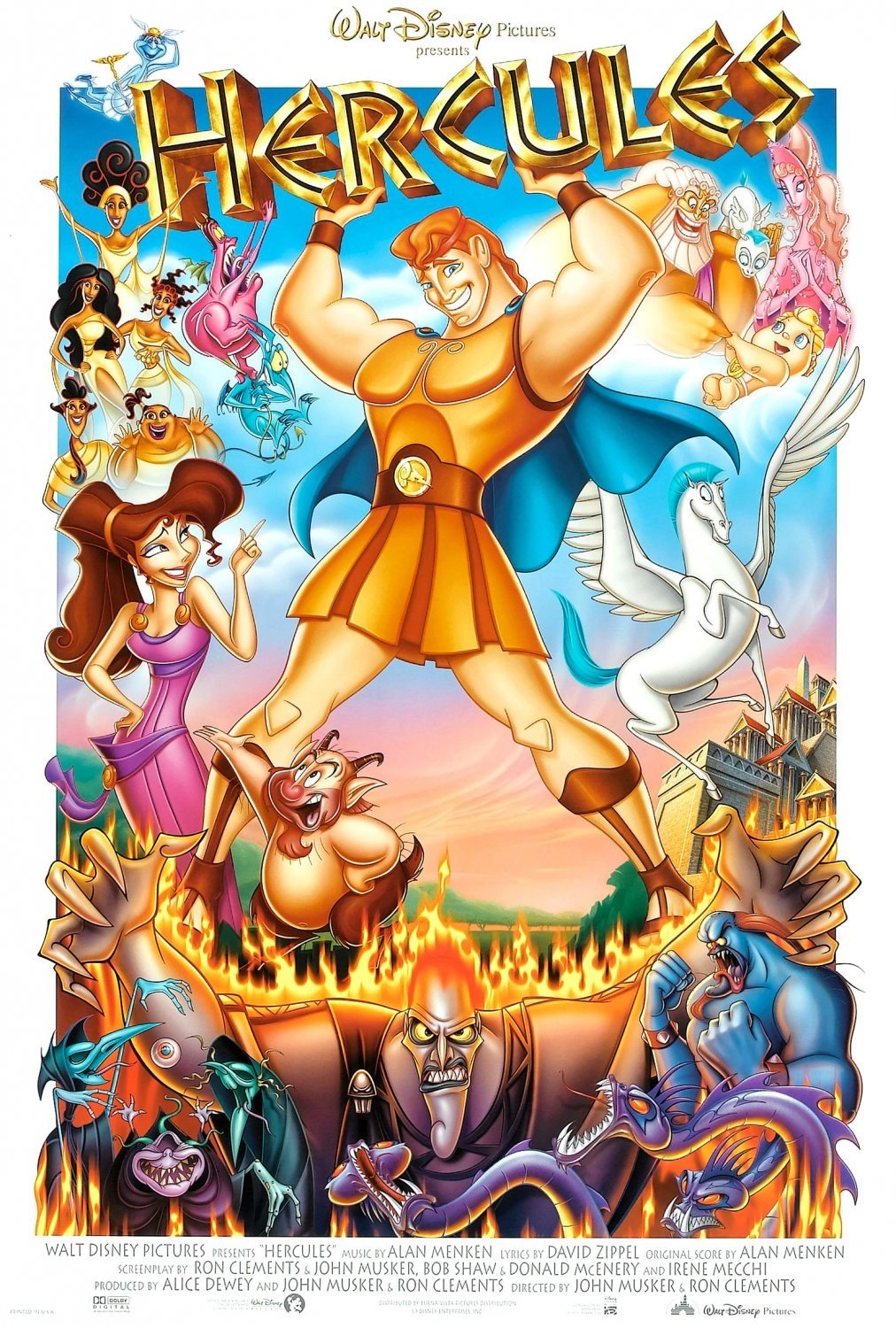
Hercules, son of the Greek God, Zeus, is turned into a half-god, half-mortal by evil Hades, God of the Underworld, who plans to overthrow Zeus. Hercules is raised on Earth and retains his god-like strength, but when he discovers his immortal heritage Zeus tells him that to return to Mount Olympus he must become a true hero. Hercules becomes a famous hero with the help of his friend Pegasus and his personal trainer, Phil the satyr. Hercules battles monsters, Hades and the Titans, but it is his self-sacrifice to rescue his love Meg which makes him a true hero. Written by Kristi Connolly The son of Zeus and Hera is stripped of his immortality as an infant and must become a true hero in order to reclaim it.
If adventure has a name... it must be Indiana Jones.

A prequel to Raiders of the Lost Ark (1981) set in 1935, the year before, the professor, archaeologist and adventurer by the name of Indiana Jones is back in action in his latest adventure. This time he teams up with a nightclub singer named Wilhelmina "Willie" Scott and a twelve-year-old Chinese boy named Short Round. They end up in a small distressed village in India, where the people believe that evil spirits have taken all their children away after a sacred precious stone was stolen. They also discover the great mysterious terror surrounding a booby-trapped temple known as the Temple of Doom. Thuggee is beginning to attempt to rise once more, believing that with the power of all five Sankara stones they can rule the world. It's all up to Indiana to put an end to the Thuggee campaign, rescue the lost children, win the girl and conquer the Temple of Doom. Written by Anthony Pereyra In 1935, Indiana Jones arrives in India, still part of the British Empire, and is asked to find a mystical stone. He then stumbles upon a secret cult committing enslavement and human...