Tumbuka Mythology
Tumbuka Mythology
southern-africa
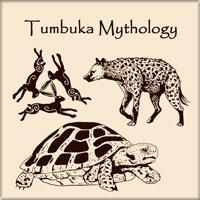
Tumbuka has many myths that constitute part of the Tumbuka cultural heritage.
These myths, told around fires at night, often to the accompaniment of drumming and choral responses, aim to teach children moral behavior and to entertain. The Tumbuka people are an ethnic group that live primarily in northern Malawi and eastern Zambia. Tumbuka mythology is rich with stories, myths and legends which are passed down from generation to generation through oral tradition. Some of the famous myths from Tumbuka mythology include:
The story of Mbulu:
Mbulu is the supreme being and creator of the Tumbuka people. He is often depicted as a powerful and benevolent god who watches over the Tumbuka people.
The story of Mwali:
Mwali is the god of war and is known for his strength and bravery. He is often invoked in times of conflict and is considered a protector of the Tumbuka people.
The story of Mlengi:
Mlengi is the god of fertility and is responsible for the abundance of crops and the growth of the Tumbuka people.
The story of Chaminuka:
Chaminuka is a powerful and wise ancestor who is considered to be the founder of the Tumbuka people. He is often invoked for guidance and wisdom.
The story of Mpherere:
Mpherere is the god of thunder and lightning and is known for his power and fury. He is often invoked to bring rain and is considered a protector of the Tumbuka people.
These myths, along with others, are used by the Tumbuka people to explain the origins of their people and their customs and to reinforce their traditional beliefs and values. Tumbuka people have a strong belief in traditional religion, ancestor worship and animism.