Ganapati, more commonly known as Ganesha, is a revered deity in the Hindu pantheon, known as the Lord of Beginnings, the Remover of Obstacles, and the deity of intellect and wisdom.
Hindu Mythology
Hindu Mythology
bronze-age
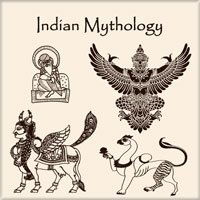
In India a different worldview evolved over four thousand years, with the concepts responding to various sociocultural phenomena and transforming with the words of wise men to satisfy the needs of the local population
There are many famous myths in Indian mythology, here are a few examples:
- The Ramayana, which tells the story of Prince Rama and his rescue of his wife, Sita, from the demon king, Ravana.
- The Mahabharata, which is one of the longest epic poems in the world and tells the story of a dynastic struggle for the throne of Hastinapura.
- The story of Lord Vishnu taking the form of a fish to save the world from a great flood.
- The story of Lord Shiva and his consort, Parvati, and their son, Lord Ganesha.
- The story of Lord Krishna, who is considered a supreme deity in Hinduism and is known for his wisdom and his role in the Mahabharata.
- The story of the Trimurti, which tells of the three main gods in Hinduism- Brahma, Vishnu, and Shiva.
- The story of creation according to Hindu mythology is also an important one, which explains how the world and all living beings came into being.
Hindu Mythology Legends
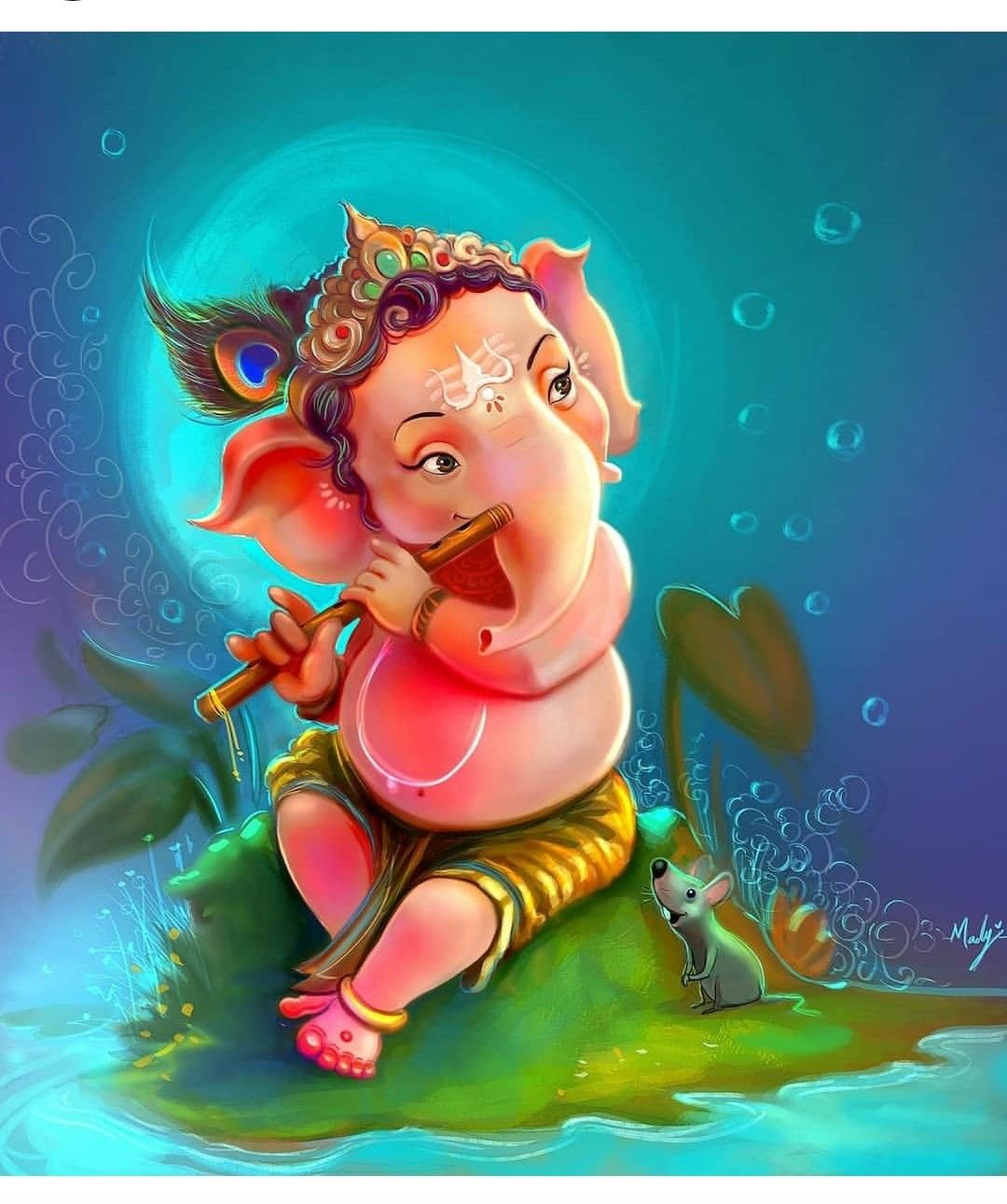
Ganapati, the Remover of Obstacles
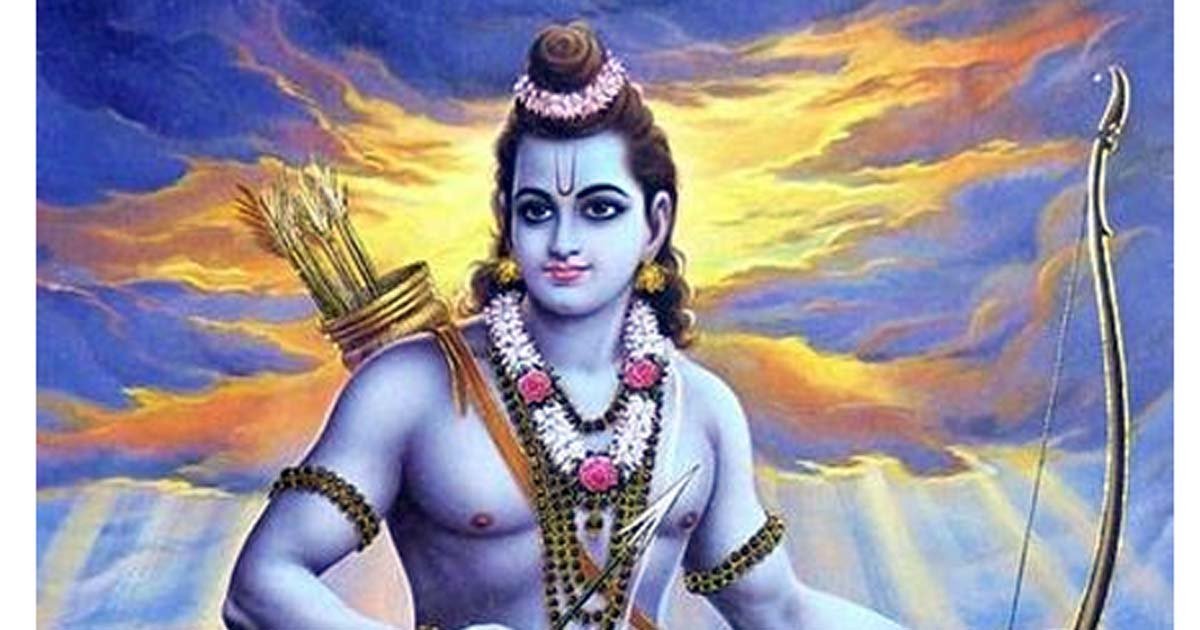
Rama
Rama is a major deity of Hinduism, and a central character in the ancient Hindu epic, the Ramayana. He is the seventh avatar of the god Vishnu and is known as the perfect human being, an ideal son, husband, and king. He is one of the most p...
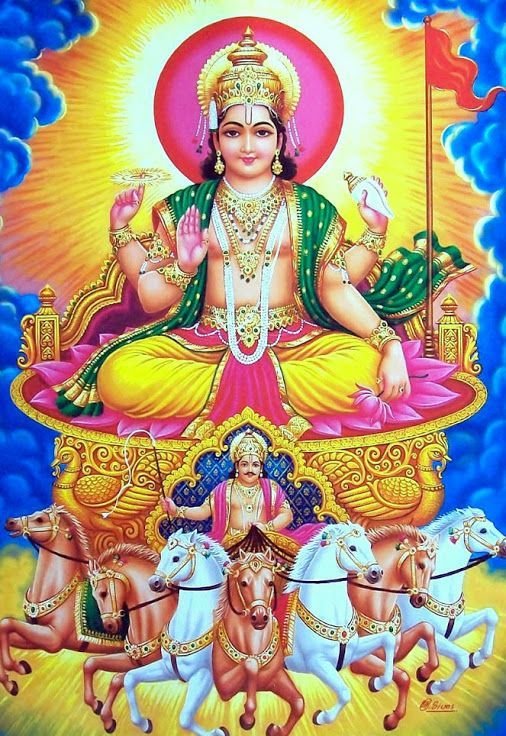
Surya, the sun
Surya (or Soorya) is a golden warrior arriving on a chariot pulled by seven white horses.
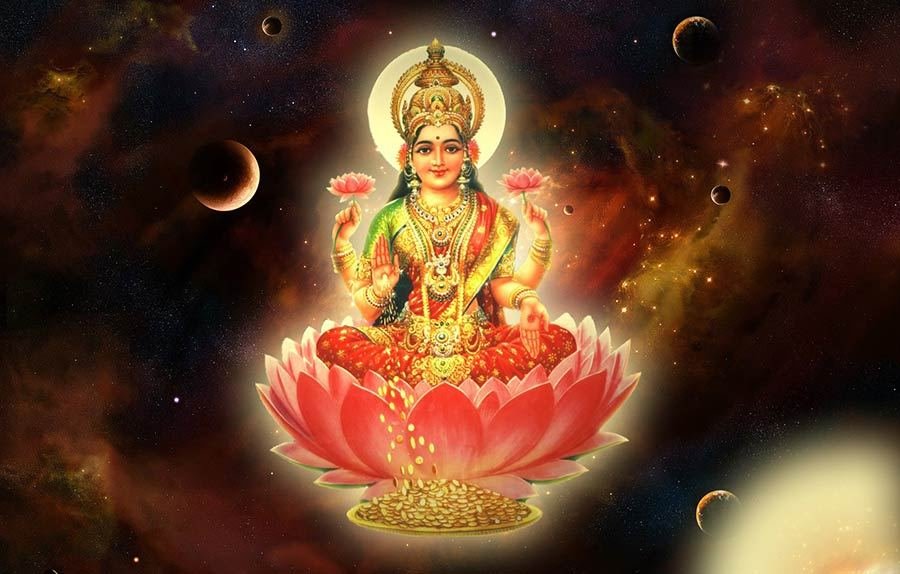
Lakshmi
Lakshmi is the Hindu goddess of wealth, fortune and prosperity. She is the wife and shakti (energy) of Vishnu, one of the principal gods in Hinduism. She is also an important deity in Jainism and found in Jain temples.
Lakshmi is c...
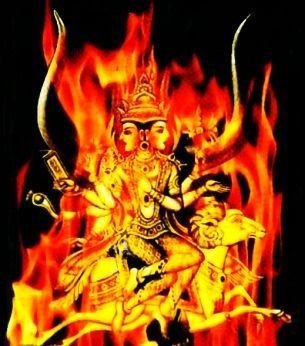
Agni, the fire god
Agni holds a special place in Hindu fire ritual to this day as the sacrificer (the priest who performs the ceremony) and the witness to all rites. the sacrifice (the ritual fire and the offerings made into it)
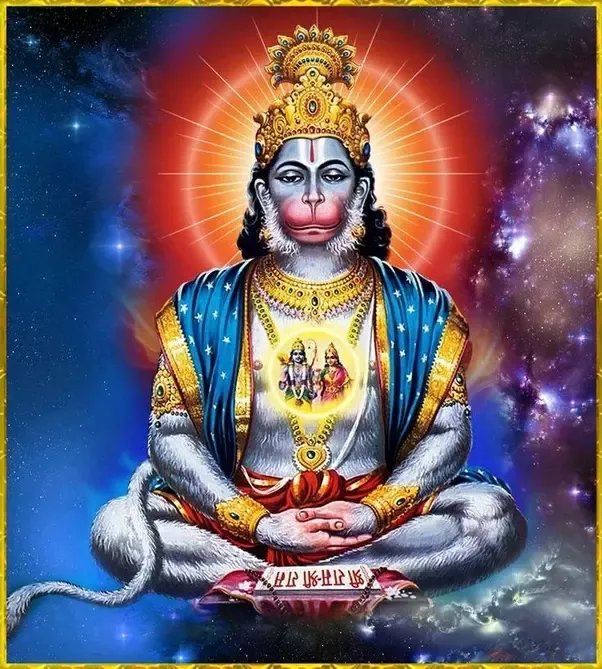
Hanuman, the monkey king and devoted servant
Hanuman is featured in the great Hindu epic the Ramayana. He earned his path to deification by performing feats of strength, devotion, and courage while helping Rama (an avatar of Vishnu) in countless exciting incidents.

Brahma, the Creator
Brahma is the creator god in Hinduism. He is also known as Svayambhu (self-born) or the creative aspect of Vishnu, Vāgīśa (Lord of Speech), and the creator of the four Vedas, one from each of his mouths. Brahma is consort of Saraswati and he is the f...
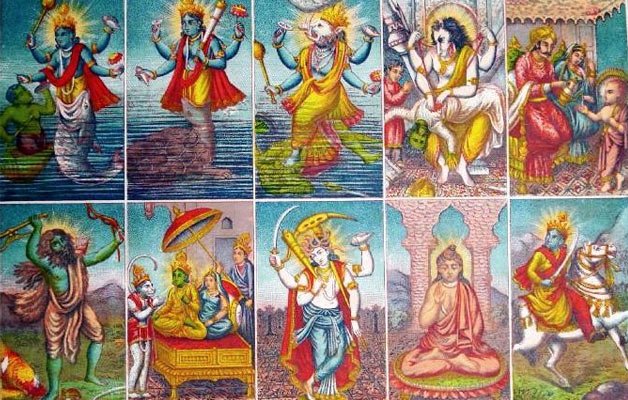
Avatars of Vishnu
Avatars are savior forms of a god that descend to earth to intervene whenever help is needed to restore dharma (moral order) and peace. The avatars of Lord Vishnu are:
- Satya Yuga: Kurma avatar, Matsya avatar, Varaha avatar, Narasimha avatar...
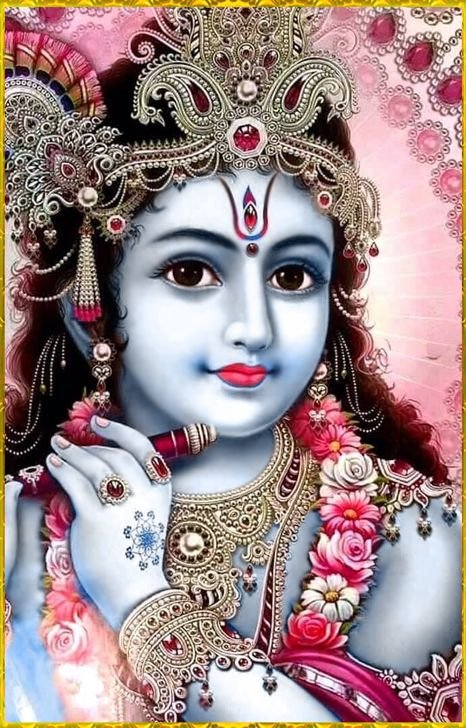
Krishna
If one Hindu god's name is known and recognized throughout the world, it is Krishna. Hindus identify Krishna as the teacher of the sacred scripture called the Bhagavad Gita and as the friend and mentor of prince Arjuna in the epic the Mahabharata.
F...

Shiva, the Destroyer
Shiva is one of the principal deities in Hinduism. He is the Supreme Being within Shaivism, one of the major traditions within contemporary Hinduism. Shiva is known as "The Destroyer" within the Trimurti, the Hindu trinity that includes Brahma and...
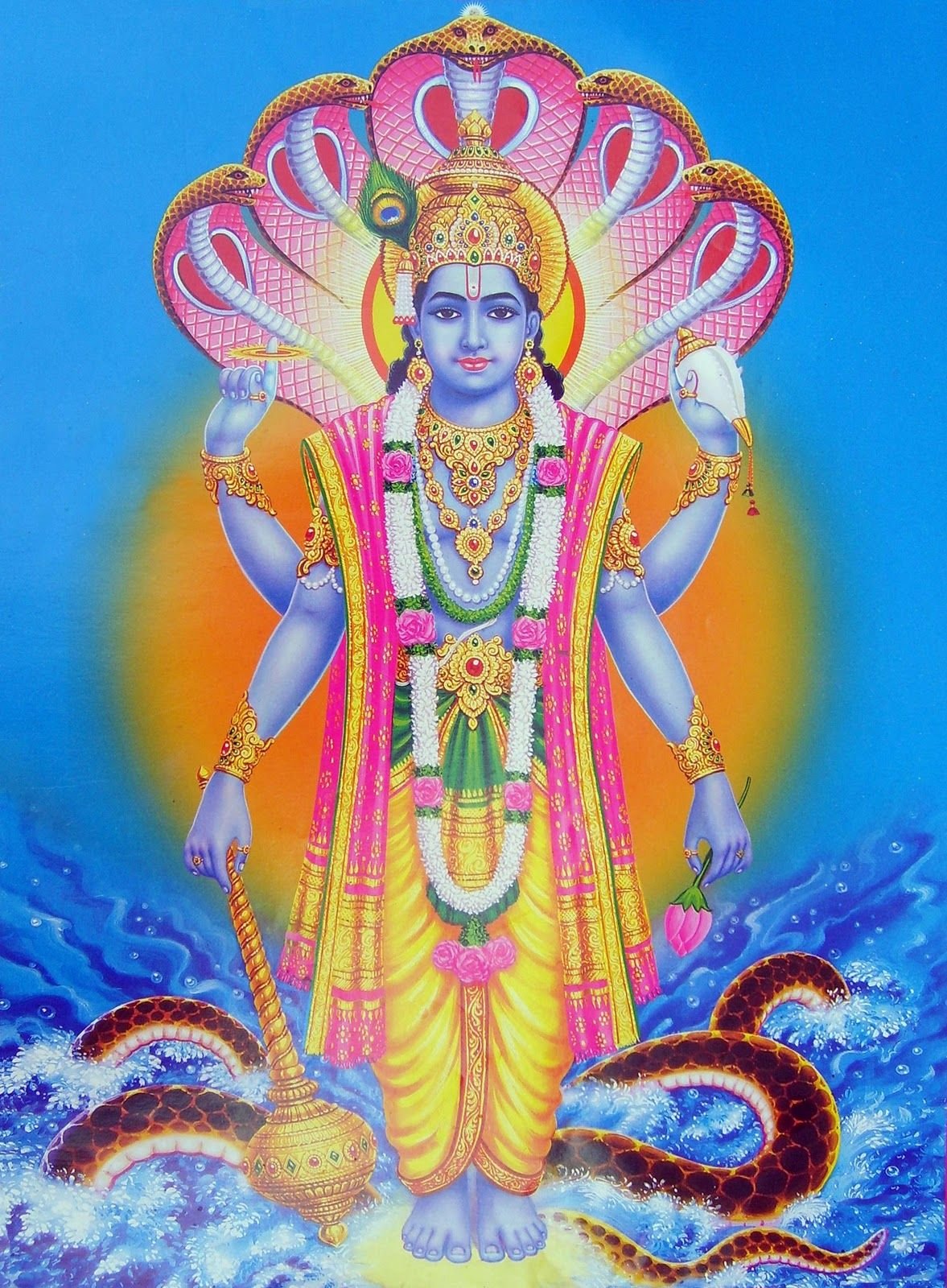
Vishnu, the Preserver
Vishnu is the second member of the Hindu Trinity. He maintains the order and harmony of the universe, which is periodically created by Brahma and periodically destroyed by Shiva to prepare for the next creation.
Vishnu is worshipped in many forms an...
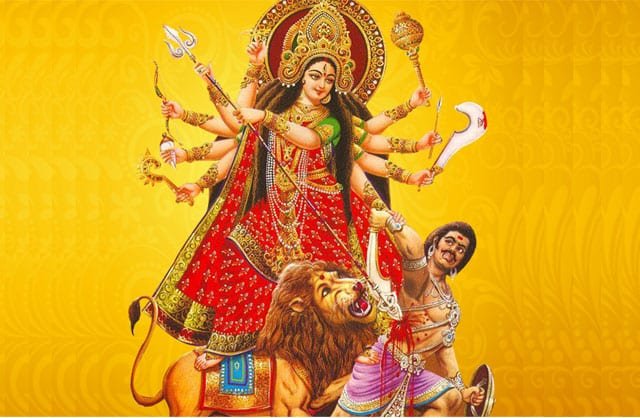
Durga Devi
Durga Devi is a powerful, even frightening goddess who fights fiercely in order to restore dharma (moral order). Yet, while Durga is terrifying to her adversaries, she is full of compassion and love for her devotees.
Hindu Mythology Creatures
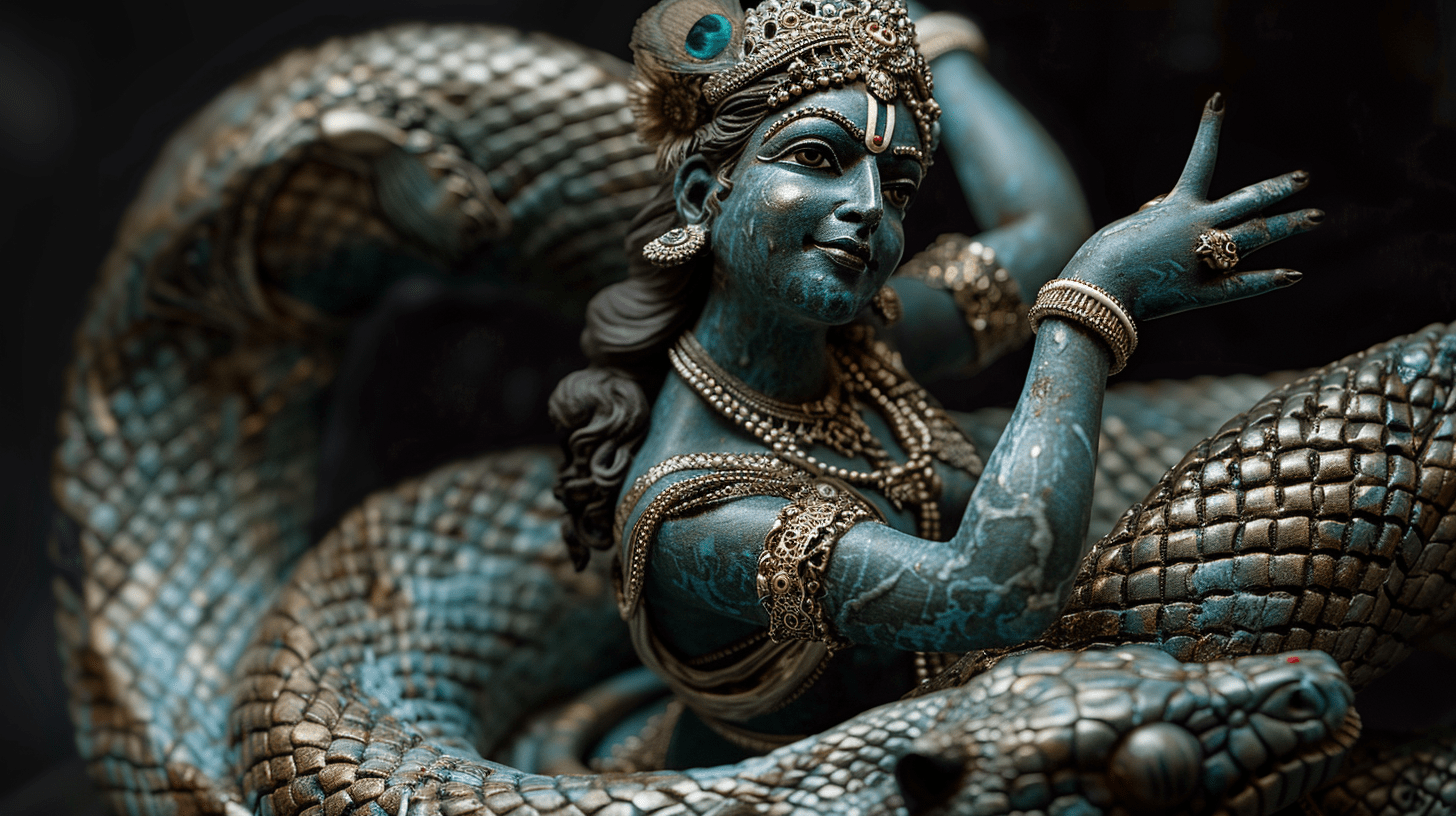
Kaliya
Venomous, Aquatic, Defeated by Lord Krishna
Kaliya is a giant serpent or naga in Hindu mythology, infamous for poisoning the waters of the Yamuna River. According to legends, Lord Krishna defeated Kaliya to restore the purity of the river.
hindu-mythology
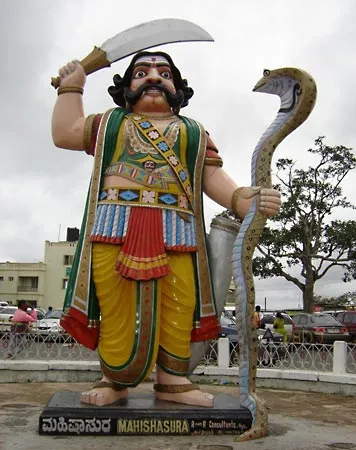
Asura
Superhuman strength, invincibility, shape-shifting
Asuras are demons that are known for their superhuman strength, invincibility, and shape-shifting abilities. They are often depicted as fierce and terrifying creatures
hindu-mythology
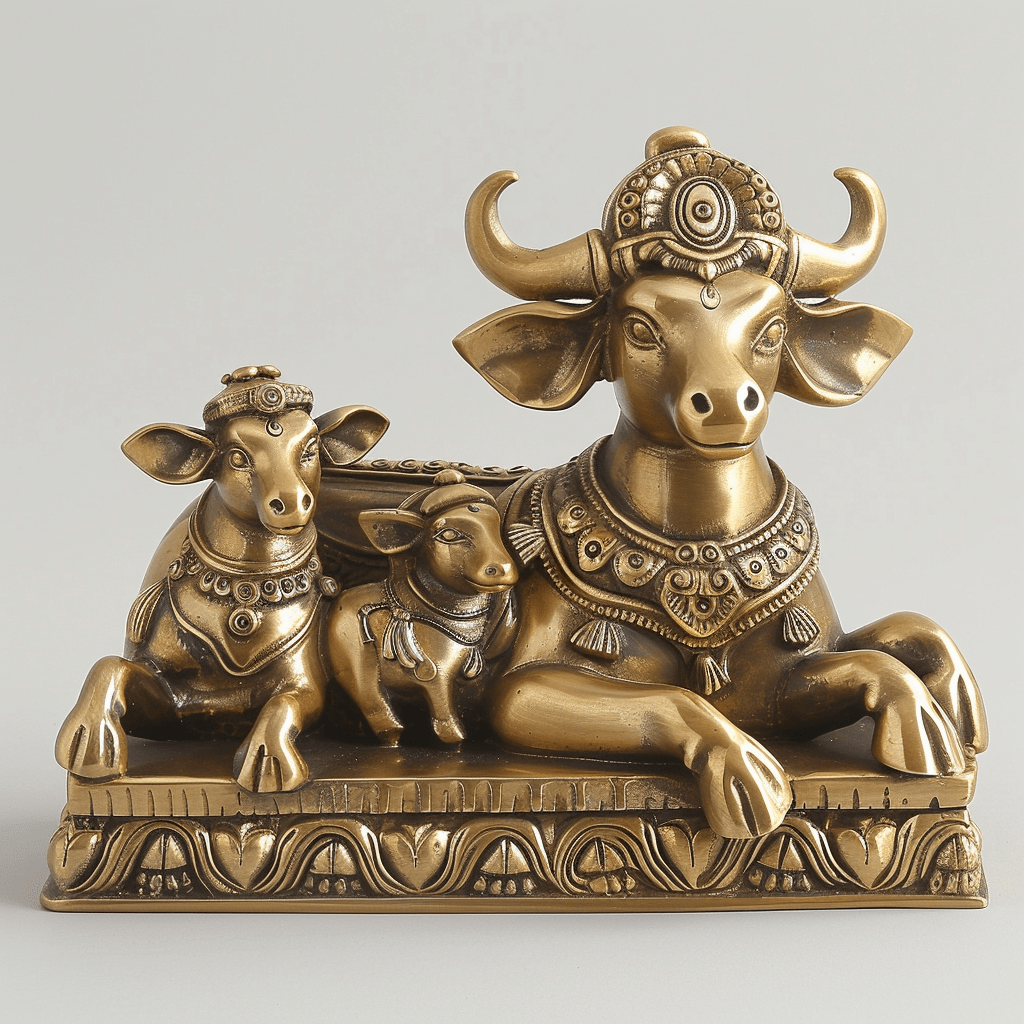
Kamadhenu
Wish Fulfillment, Nourishment, Divine Milk
Kamadhenu, also known as Surabhi, is a divine bovine creature in Hindu mythology. She is considered the mother of all cows and is capable of granting wishes and providing endless nourishment.
hindu-mythology
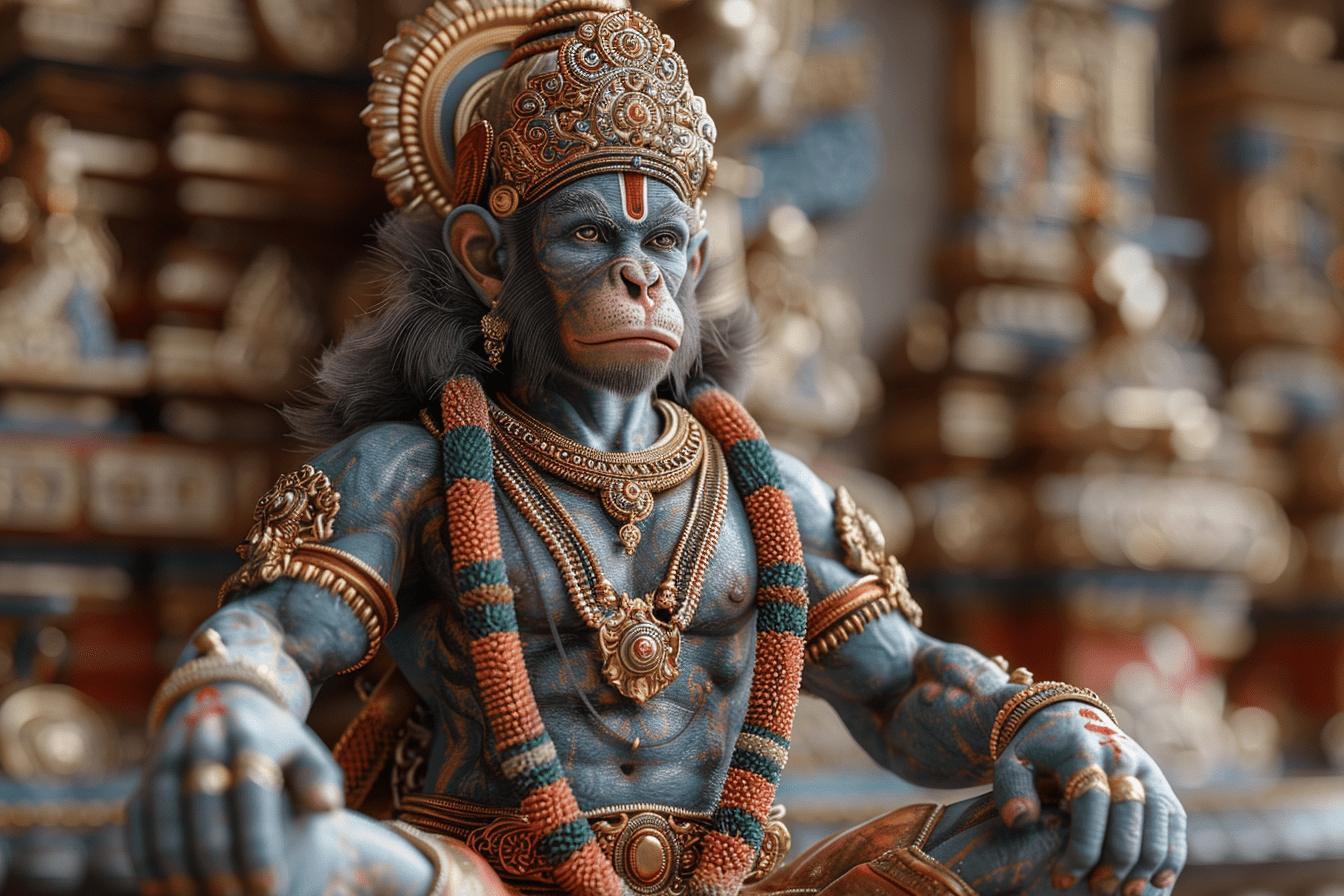
Vanara
Agility, Intelligence, Strength
Vanaras are monkey-like humanoid creatures in Hindu mythology, known for their agility and loyalty. They are prominently featured in the epic Ramayana as allies of Lord Rama.
hindu-mythology
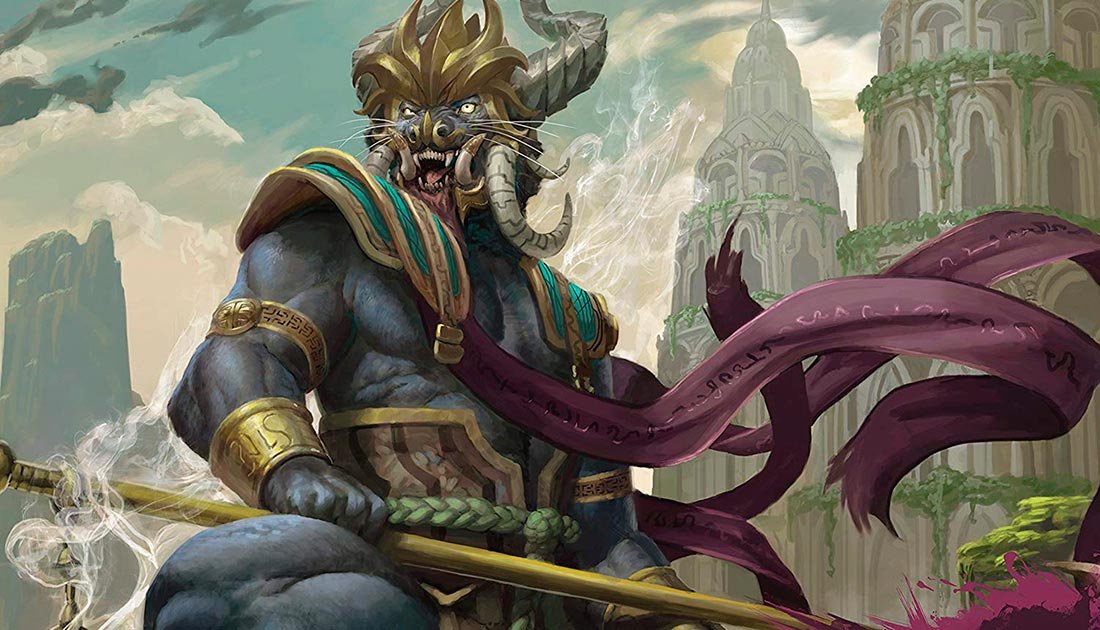
Rakshasa
Shape-shifting, illusion-casting, superhuman strength
Rakshasas are demon-like creatures in Hindu mythology. They are known for their ability to shape-shift and cast illusions. They are also considered to have superhuman strength.
hindu-mythology

Yaksha
Superhuman strength, immortality, shape-shifting
Yakshas are nature spirits that are known for their superhuman strength and immortality. They are often associated with wealth and are known for their shape-shifting abilities
hindu-mythology
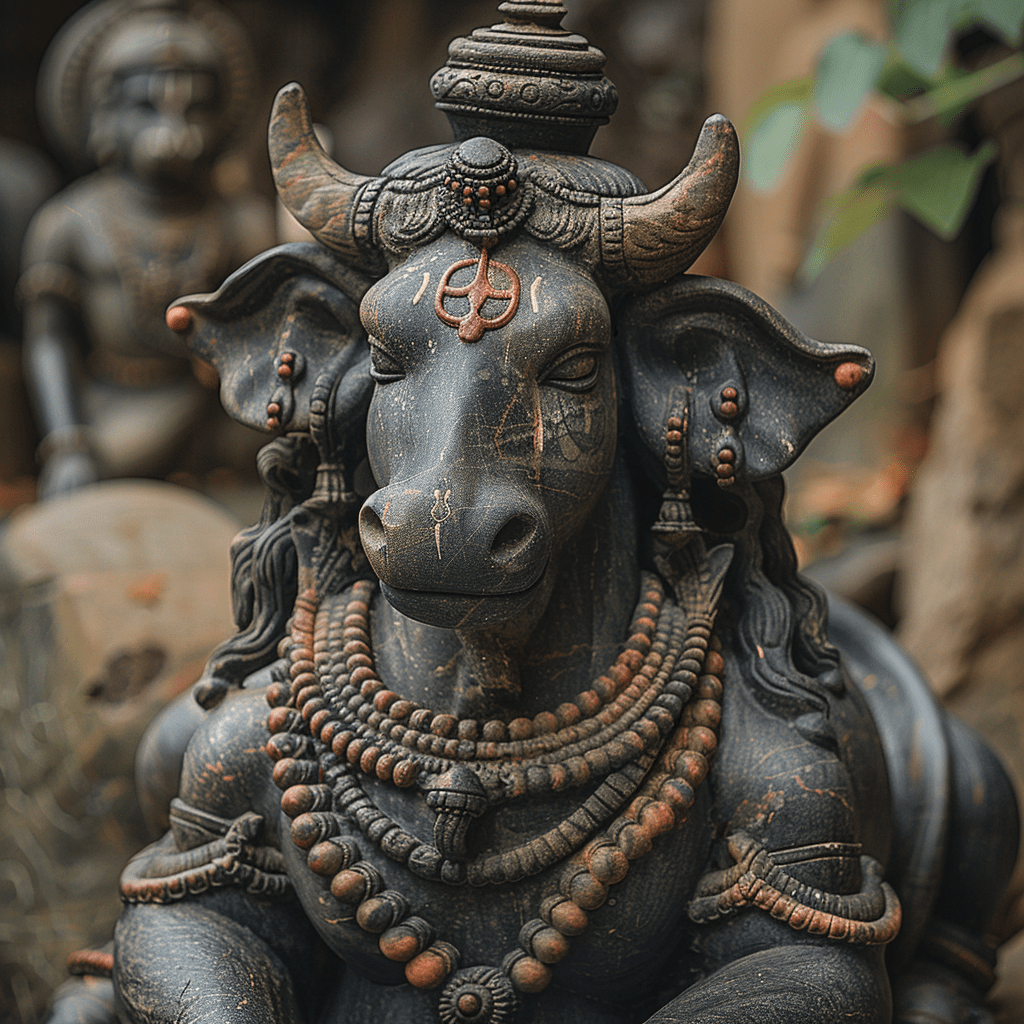
Nandi
Wisdom, Devotion, Strength
Nandi is the sacred bull and mount of Lord Shiva in Hindu mythology. Revered as the gatekeeper and chief devotee of Shiva, Nandi symbolizes strength, loyalty, and divine wisdom. Nandi is often depicted in Hindu temples and rituals.
hindu-mythology
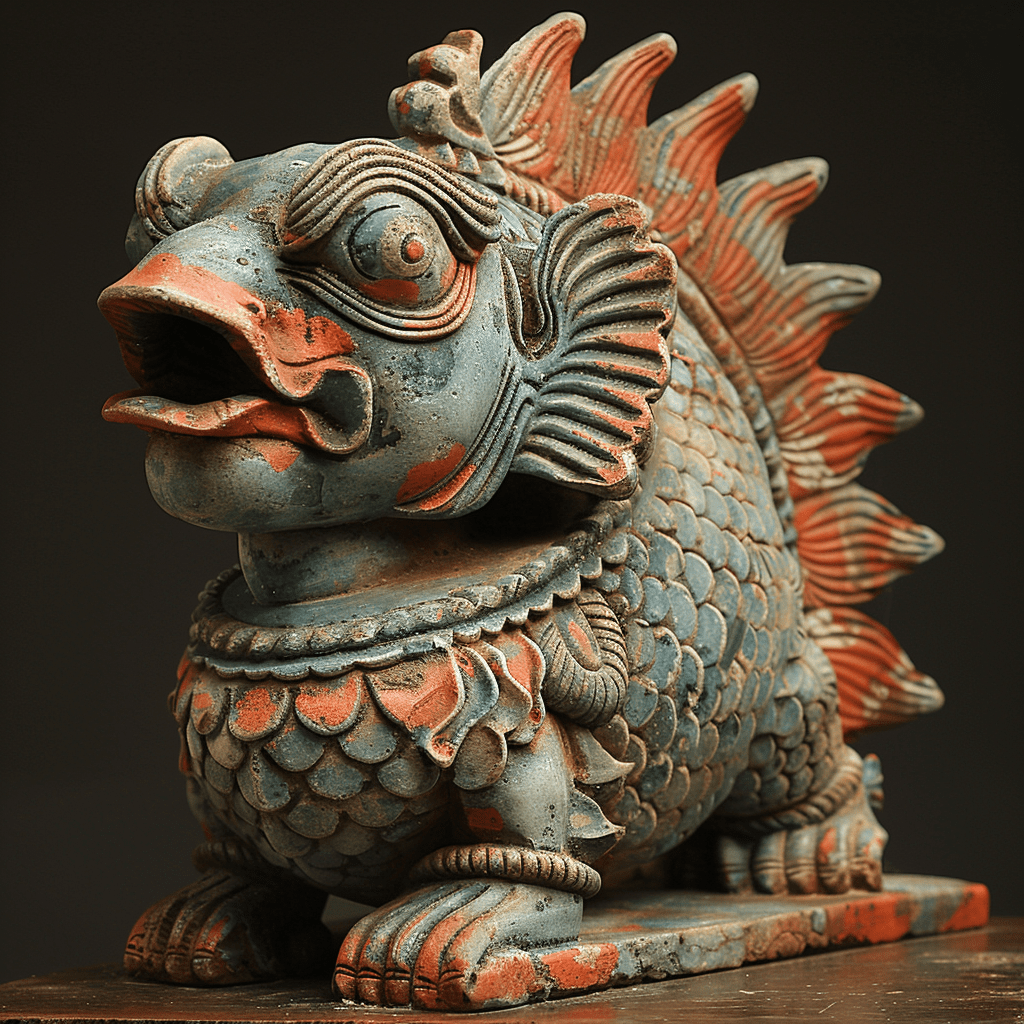
Makara
Aquatic, Protective, Symbol of Fortune
Makara is a mythical sea creature in Hindu and Buddhist mythology, often depicted as a hybrid of various animals such as fish, crocodile, and elephant. It is considered a symbol of protection and fortune.
hindu-mythology

Nagas
Poisonous bite, shape-shifting, immortality
Nagas are serpent-like creatures in Hindu and Buddhist mythology. They are known for their ability to shape-shift and for their poisonous bite. They are also considered to be immortal.
hindu-mythology
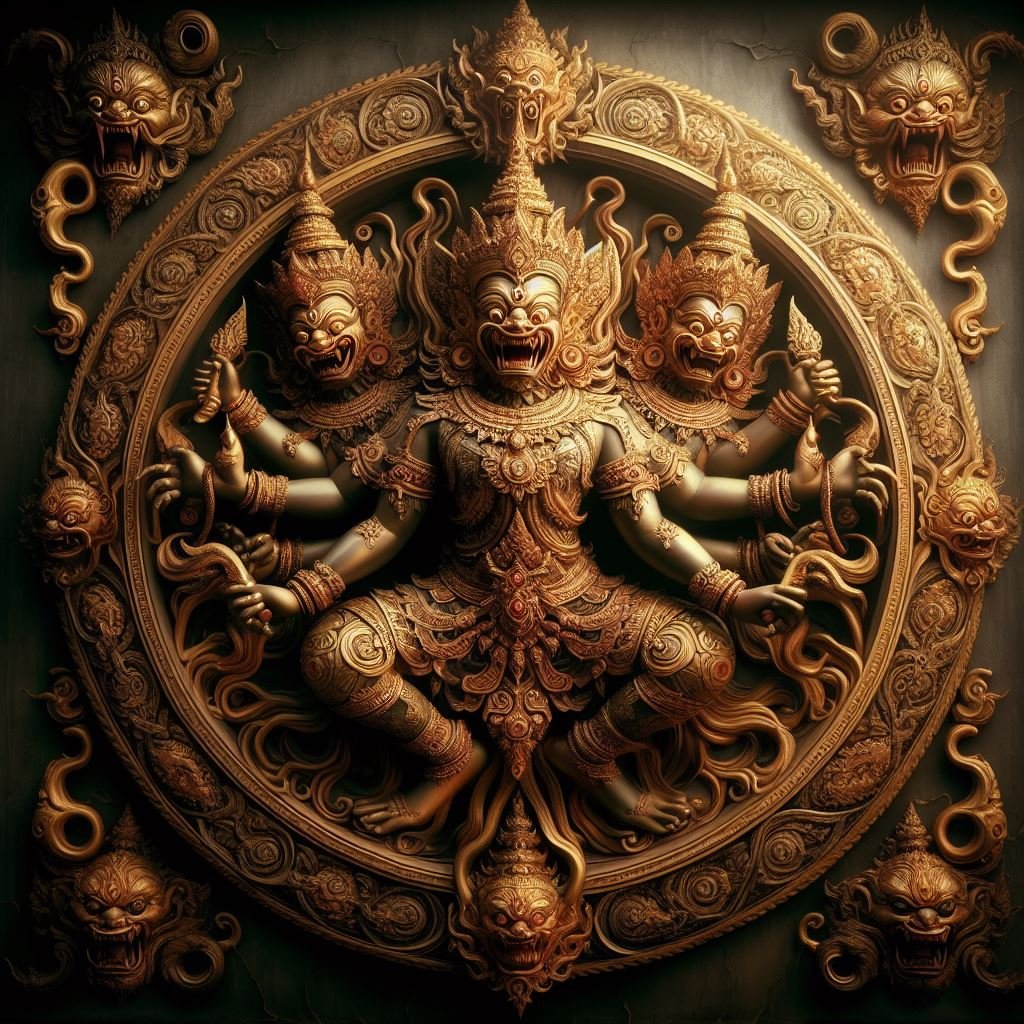
Vetala
Shape-shifting, Illusion, Mischief
Vetalas are supernatural beings or spirits in Hindu mythology, known for their mischievous and deceptive nature. They are often associated with graveyards and are said to possess people's bodies.
hindu-mythology
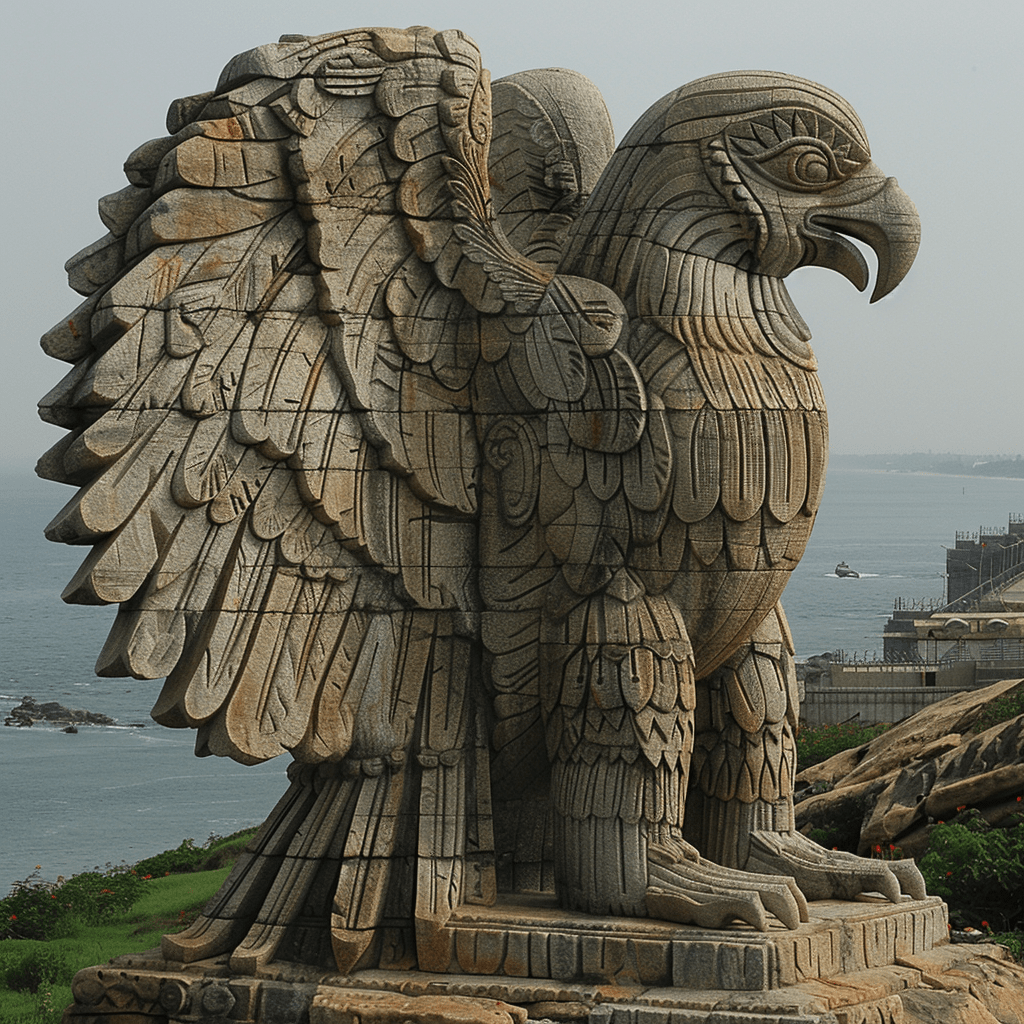
Jatayu
Courage, Loyalty, Bravery
Jatayu is a divine eagle-like bird in Hindu mythology, known for his loyalty and bravery. He attempted to rescue Sita, the wife of Lord Rama, from the demon king Ravana but was mortally wounded in the battle.
hindu-mythology
Kinnara
Musical talent, immortality
Kinnaras are celestial beings that are known for their musical talent and immortality. They are often depicted as half-human, half-horse creatures and are associated with love and passion
hindu-mythology
Hindu Mythology in POP Culture
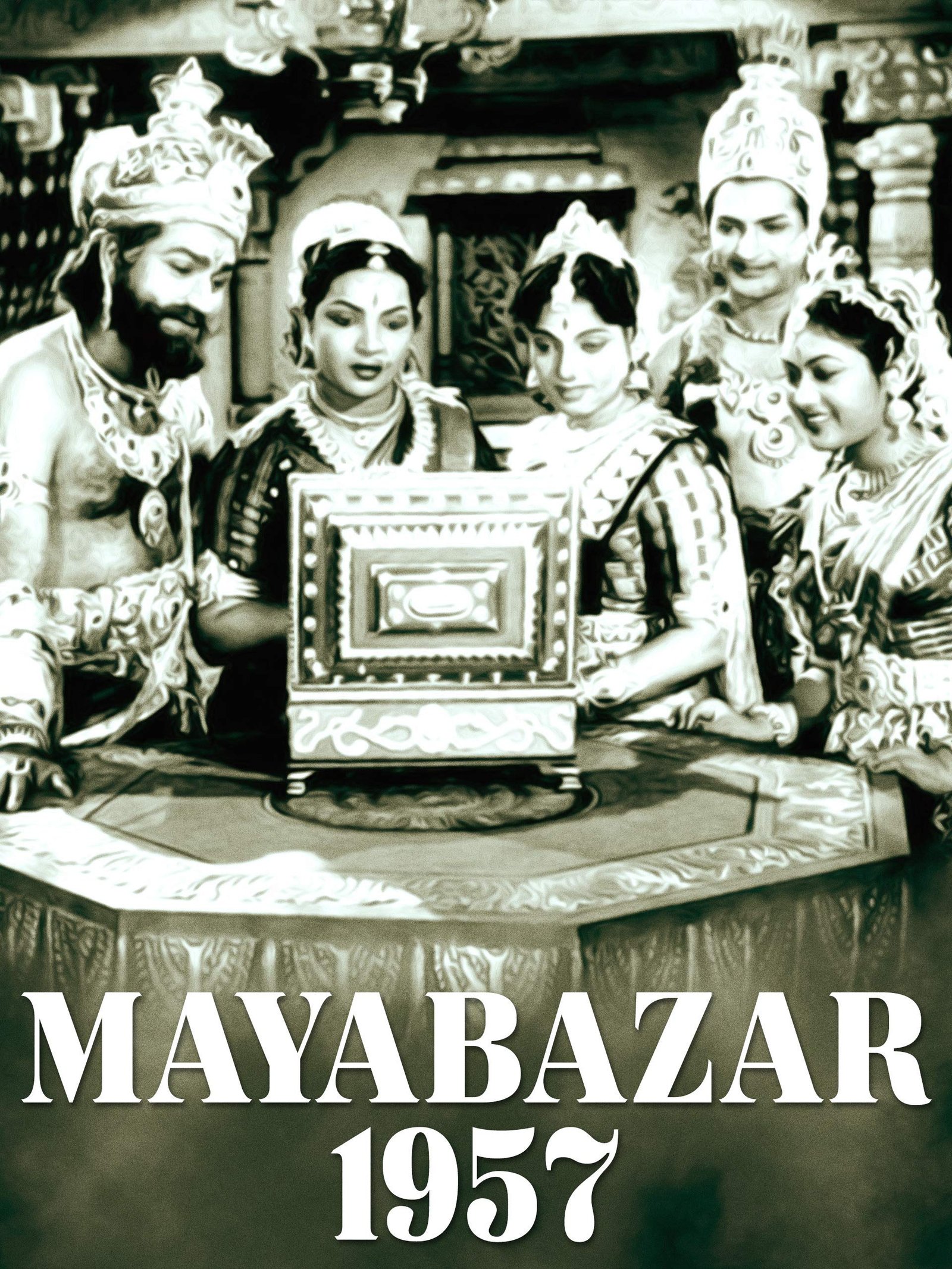
Mayabazar
An Epic Tale of Love and Magic
Mayabazar (1957) is a classic Indian fantasy film directed by Kadiri Venkata Reddy. The film is based on the folk tale of Bhakta Prahlada and is set in the backdrop of a traditional village. It stars N.T. Rama Rao, A.N.R, Savitri, and S.V. Ranga Rao in the lead roles. The story revolves around Ghato...
Hindu Mythology Books
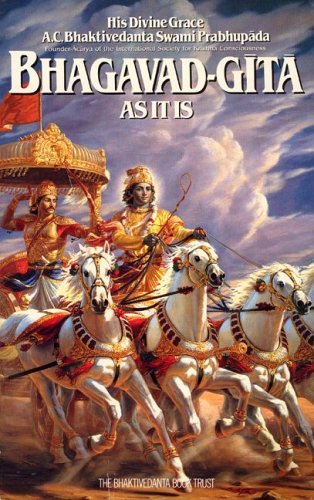
The Bhagavad Gita
A 700-verse Hindu scripture that is part of the Mahabharata and widely regarded as one of the most important texts in Hinduism.
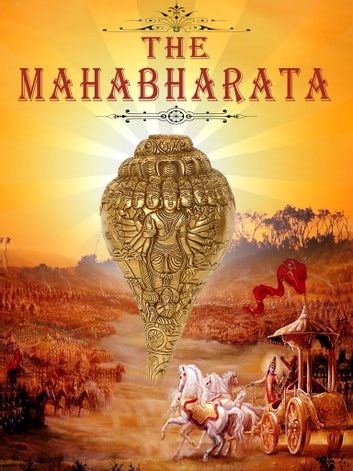
The Mahabharata
One of the two major Sanskrit epics of ancient India, a story of the Kuru clan and the battle for the throne of Hastinapura.
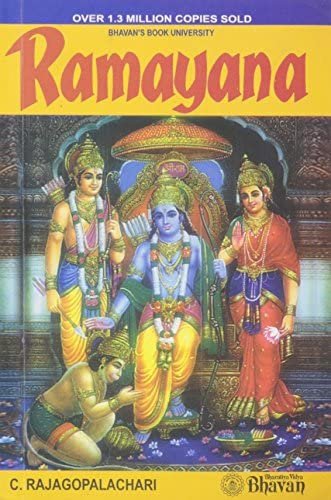
The Ramayana
The other major Sanskrit epic of ancient India, the story of Rama and his quest to rescue his wife Sita from the demon king Ravana.
Hindu Mythology Facts
- Pentagram - The pentagram is the symbol of Lakshmi, Hindu goddess of wealth, and Shukra, guru of demons, and is associated with Venus, wealth, fertility, creativity, and erotic power in Hindu astrology, but is considered the mark of the devil in Christianity.
- Scarlet Woman - The red clothes worn by Hindu brides are associated with "scarlet women" in Christianity
- Hiranyaksha - Once a demon called Hiranyaksha dragged the earth under the sea. Vishnu took the form of a boar, plunged into the sea, killed the demon, and rescued the earth. As Vishnu rose up from the bottom of the sea he embraced the earth passionately. The embrace caused the earth to fold, and thus mountains came into being.
- Draupadi's marriage - Shiva was pleased with Draupadi's devotion and offered her any-thing she wanted. Draupadi wanted a husband with five qualities. "I want a husband who is noble, who is strong, who is a skilled warrior, who is handsome, and who is wise," she said. Shiva misunderstood her wish and said: "So be it. You will have five such husbands."
- Swastika - To the Western eye the swastika is the symbol of Hitler and the Holocaust. To Hindus it is associated with auspiciousness and fertility.
- Demon - Demon in Judeo-Christian-Islamic Paradigm is Evil being who opposes God but in Hindu Paradigm Demon is a Being who lives under-ground in bejeweled cities, fights gods, and possess the secret of rejuvenation
- Restore Youth - Serpents can renew their youth because they have rolled on grass stained by the elixir of immortality.
- Heaven - Heaven in Judeo-Christian-Islamic Paradigm is Kingdom of God and final destination of saved souls whereas in Hindu Paradigm it is Resplendent realms that exist above the earth and are inhabited by sages and gods; temporary abode of those who have accumulated good karma
- Sin - Sin in Judeo-Christian-Islamic Paradigm is Transgression of divine law whereas in Hindu Paradigm it is Actions with unfavorable reactions
- Dark drinker of the blood - 'described in Western literature as the "dark drinker of blood" and is associated with witchcraft.
- Symbol of Purity - The white clothes that represent virginity and purity in the Christian mythosphere are associated with spirituality and otherworldliness in the Hindu mythosphere; are restricted to monks, priests, and widows; and do not form part of household rituals.
- Symbol of Virility - The goat, the symbol of virility that is sacrificed to the Hindu Goddess, is the symbol of the devil in the biblical worldview.